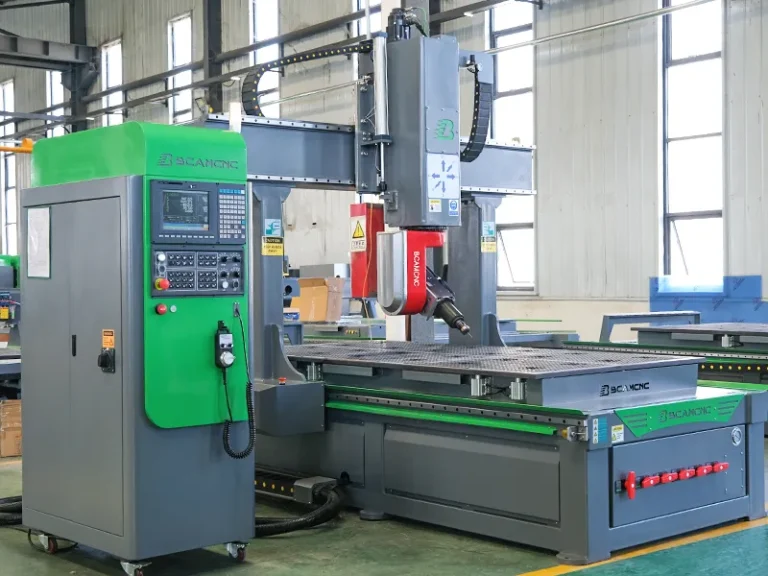

With the rapid development of China’s machinery manufacturing industry in recent years, the cnc router machine industry has also got a good opportunity to develop in China, and hastily entered the consumption and application of cnc router machines in China. For engraving without material, we will use different knives, which is beneficial to our engraving accuracy and protection of the knives. Let’s take a look at what kind of knives should be used for different materials.
1. For acrylic cutting, it is recommended to use single-edged spiral milling cutters. Single-edged spiral milling cutters are characterized by smokeless, odorless, fast speed, high efficiency, non-sticky chips, and real environmental protection effects. Its special manufacturing process ensures the processing of acrylic It does not burst, the knife pattern is very fine (even without knife pattern), and the surface is smooth and smooth. If the machined surface needs to achieve a frosted effect, it is recommended to use a double-edged three-edged spiral milling cutter.
2. For density board cutting (molding in advertising industry), double-edged spiral milling cutter is recommended. It has two chip flutes and a double-edged design, which not only has a good chip evacuation function, but also achieves a good tool autonomy. Balanced, it has the characteristics of no blackening, no smoking and long service life when processing medium and high density boards.
3. For aluminum plate cutting, it is recommended to use a special single-edged aluminum milling cutter. The special aluminum milling cutter has the characteristics of non-sticking, fast speed and high efficiency in the processing process.
4. For precision small relief processing, a round bottom cutter is recommended.
5. Cork, MDF, virgin wood, PVC, acrylic large-scale deep relief processing, it is recommended to use a spiral ball end milling cutter.
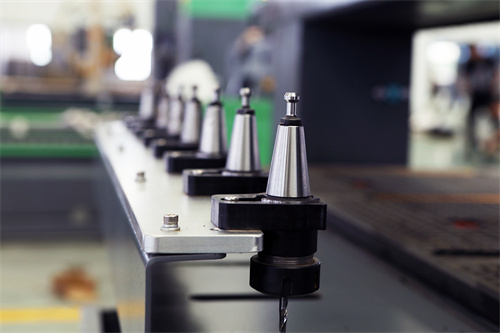
6. The upper and lower board surfaces are cut without burrs. It is recommended to use single-edged and double-edged up-and-down cutters. When the lower cutter is processing the product, there is no burr on the surface, and there will be no warping phenomenon during processing.
7. For metal engraving, single-edged, double-edged straight fluted flat-bottomed sharp knives are recommended.
8. For precision 3D engraving processing, a 3D engraving knife is recommended, which has the advantages of high concentricity and sharp cutting edge.
9. For high-density board and solid wood processing, it is recommended to use prismatic cutters.
10. For multilayer board and splint processing, double-edged straight groove milling cutter is recommended.
11. For metal mold processing, it is recommended to use tungsten steel milling cutters (tungsten steel milling cutters are a general term, and there are many models, you can choose them according to your own requirements). The surface of tungsten steel milling cutters is plated with purple black and hardened titanium with high hardness and resistance. The advantages of wear.
12. Acrylic mirror engraving, diamond carving knife is recommended.
13. For rough processing of particle board, etc., multi-stripe milling cutter is recommended.
The above introduces you to the selection of different material knives. If you have any other questions, you can directly contact our online customer service to answer you.