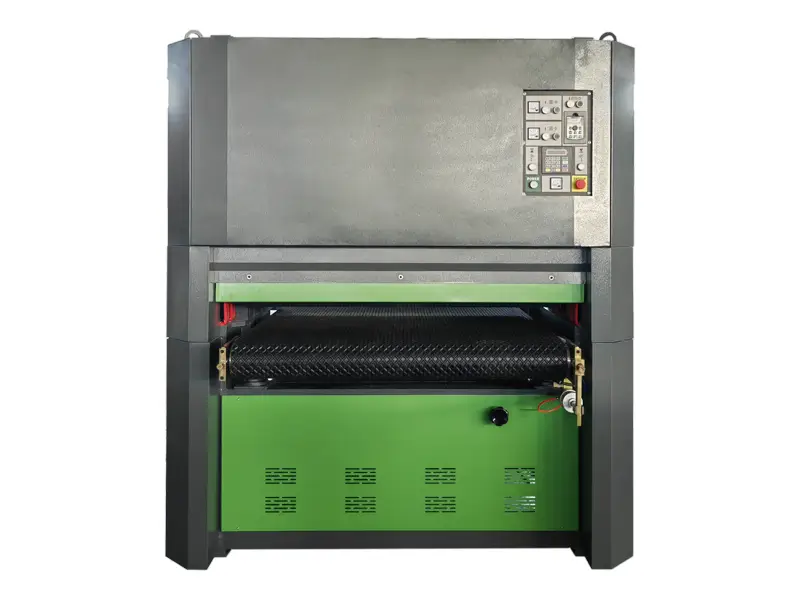
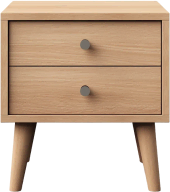
Understanding Sanding Machines and Their Role in Wood Processing
In modern woodworking manufacturing, surface quality plays a critical role in the appearance, durability, and value of finished products. Whether producing furniture, cabinets, doors, or decorative panels, manufacturers rely on a sanding machine to create smooth, uniform surfaces before painting, laminating, or assembly.
A sanding machine is designed to remove imperfections, level uneven surfaces, and prepare wood materials for further processing. Compared with manual sanding, industrial sanding equipment provides greater consistency, higher productivity, and improved finishing quality.
What Is a Sanding Machine?
A sanding machine is a woodworking machine that uses abrasive belts, rollers, brushes, or sanding pads to process the surface of wood materials. Depending on the application, a sanding machine can perform thickness calibration, rough sanding, fine sanding, polishing, or finishing operations.
Modern woodworking factories use sanding machines to process:
- MDF boards
- Plywood panels
- Solid wood boards
- Finger-jointed wood
- Laminated panels
- Cabinet doors
- Furniture components
The goal is to achieve a smooth surface while maintaining dimensional consistency throughout the production process.
Why Is Sanding Important in Woodworking?
Surface Quality Improvement
Wood materials often contain machining marks, glue residue, uneven joints, and natural imperfections. A woodworking sanding machine helps eliminate these defects and creates a more uniform appearance.
Better Paint and Coating Adhesion
Proper sanding improves the ability of paints, stains, veneers, and laminates to adhere to the material surface. This contributes to a higher-quality final product.
Improved Product Consistency
Industrial production requires consistent quality across large quantities of panels and components. An industrial sanding machine helps manufacturers achieve repeatable results while reducing manual labor.
Increased Production Efficiency
Compared with hand sanding, automated sanding systems can process materials faster and more efficiently, making them suitable for high-volume production environments.
Common Types of Sanding Machines
Wide Belt Sander
The wide belt sander is one of the most commonly used sanding machines in the woodworking industry. It utilizes large abrasive belts to perform thickness calibration and surface finishing on wood panels.
Applications include:
- MDF sanding
- Plywood sanding
- Solid wood panel processing
- Furniture component manufacturing
A wide belt sander is particularly suitable for manufacturers requiring high productivity and consistent sanding quality.
Brush Sanding Machine
Brush sanding machines use rotating abrasive brushes to process complex profiles and shaped surfaces. They are often used for cabinet doors, decorative moldings, and textured wood products.
Profile Sanding Machine
Profile sanding equipment is designed for irregular shapes, edges, and contours that cannot be processed effectively by flat-panel sanding systems.
Polishing Machines
Polishing equipment is commonly used after sanding operations to further enhance surface smoothness and prepare products for finishing applications.
How to Choose the Right Sanding Machine
Consider Material Types
Different materials require different sanding solutions. Manufacturers processing MDF and plywood may benefit from a wide belt sanding machine, while those producing decorative profiles may require brush or profile sanding equipment.
Evaluate Production Volume
High-volume production facilities typically require automated industrial sanding machines capable of continuous operation and consistent output.
Define Surface Quality Requirements
The desired finish quality will influence machine selection, abrasive grit choices, and sanding configuration.
Consider Future Production Needs
Investing in a sanding solution that can accommodate future growth may help reduce equipment replacement costs over time.
Applications of Sanding Machines
Furniture Manufacturing
Sanding machines are widely used to prepare furniture panels, tabletops, shelves, and decorative components before finishing.
Cabinet Production
Cabinet manufacturers use sanding equipment to process door panels, side panels, and structural components.
Door Manufacturing
Wooden doors often require multiple sanding stages before painting or coating. Automated sanding systems help improve consistency and productivity.
Wood Panel Processing
MDF, plywood, and engineered wood products frequently require calibration and finishing before downstream processing.
Benefits of Industrial Sanding Machines
Higher Productivity
Automated sanding systems can process large volumes of material more efficiently than manual methods.
Consistent Surface Quality
Machine-controlled sanding helps reduce variations between workpieces and improves overall product consistency.
Reduced Labor Requirements
Automation minimizes manual sanding work and allows operators to focus on production management.
Enhanced Product Value
Smooth and uniform surfaces contribute to a more professional appearance and improved customer satisfaction.
Why Wide Belt Sanders Remain the Industry Standard
Among all types of sanding equipment, wide belt sanders continue to be the preferred choice for panel processing applications. Their ability to combine thickness calibration and surface finishing makes them highly efficient for furniture, cabinet, and door manufacturers.
A modern wide belt sander can help improve panel flatness, surface quality, and production efficiency while supporting a wide range of wood materials.
Conclusion
A sanding machine is an essential part of modern woodworking production. Whether processing MDF, plywood, solid wood, or engineered panels, the right sanding solution helps manufacturers achieve better surface quality, greater efficiency, and more consistent production results.
For companies involved in furniture manufacturing, cabinet production, or wood panel processing, investing in a reliable sanding machine can significantly improve workflow performance and product quality.