
When your work needs more shape, more angles, and more freedom, a 4 axis CNC router becomes a powerful upgrade. It can rotate the spindle and cut from different sides, giving you the ability to machine complex parts with smooth curves and clean edges. In this blog, we explain what a 4 axis CNC router is, how it works, and why many shops now choose a BCAMCNC 4 axis machine for daily production.
What Is a 4 Axis CNC Router?
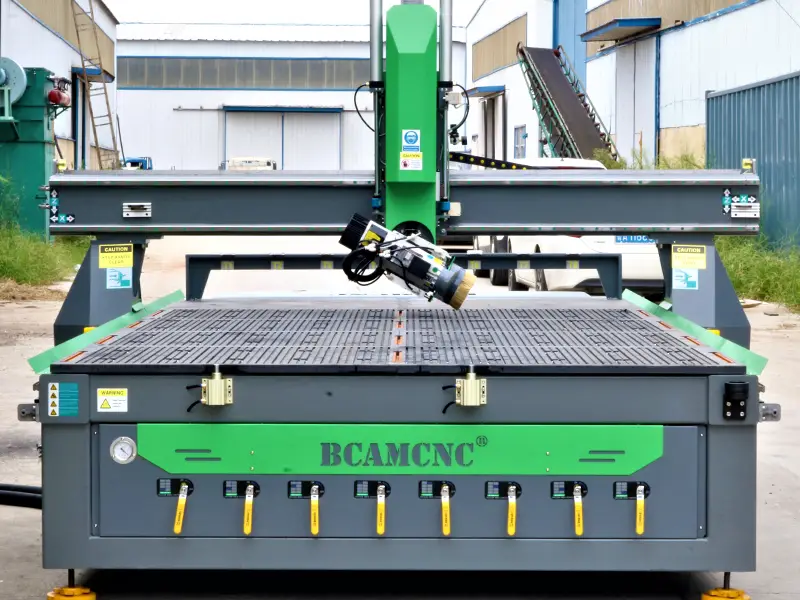
A 4 axis CNC router is a machine that cuts materials in four directions. Besides the normal X, Y, and Z movement, it can rotate the spindle on the A-axis. This extra axis allows the tool to reach places that a standard 3 axis router cannot.
With this motion, the machine can handle more complex shapes, deeper profiles, and angled surfaces. It is great for wood, plastic, foam, aluminum, and composite materials.
Why Do Manufacturers Choose a 4 Axis CNC Router?
1. More Flexibility
The rotating spindle makes it easy to work on different sides of a part. You can cut angled holes, curved surfaces, and deep shapes in one setup. This reduces manual work and saves time.
2. Better for 3D Work
If you produce molds, sculptures, furniture parts, or artistic panels, the 4 axis machine gives smoother cuts and better precision for 3D forms.
3. Higher Accuracy
BCAMCNC’s 4 axis CNC router uses strong frames, high-quality guide rails, and industrial control systems. This makes the cutting smooth and stable even at higher speeds.
4. More Space With the Down-Sunk Table (Optional)
BCAMCNC offers a down-sunk table design that gives extra vertical space. This allows you to machine large foam blocks or tall molds without spindle interference.
5. Reliable for Long-Term Production
With CE and ISO9001 certifications, 3-year warranty, and a full support team, the machine is built for heavy use in workshops and factories.
What Can You Make With a 4 Axis CNC Router?
A 4 axis CNC router is used in many industries:
-
Furniture parts with curves or angles
-
Artistic woodwork and decoration panels
-
Foam carving for molds and prototypes
-
Musical instruments
-
Sign making
-
3D molds for casting
-
Boat, car, and aerospace parts (foam or composite)
Whether you run a small workshop or a large factory, the 4 axis machine lets you expand your range of products.
Main Features of the BCAMCNC 4 Axis CNC Router
-
A-axis spindle rotation up to ±90°
-
Heavy-duty welded frame
-
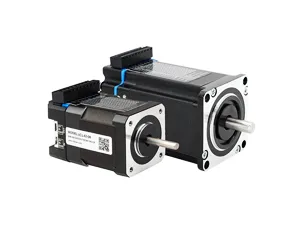
Servo motors for smooth and accurate cutting
-
Vacuum table for fast material holding
-
Optional down-sunk table for extra height
-
DSP / SYNTEC / NC Studio control system
-
Fast delivery and reliable after-sales support
Is a 4 Axis CNC Router Right for You?
Choose a 4 axis CNC router if you:
-
Want to upgrade from 3 axis limitations
-
Need to cut from angles or around curved surfaces
-
Produce foam molds, artistic pieces, or custom furniture
-
Want more automation and less manual adjustment
-
Want to take on more complex, higher-value orders
If your work is simple and flat, a 3 axis router may still be enough. But if you want to grow your business and handle more advanced jobs, the 4 axis model will open many new possibilities.
Conclusion
A 4 axis CNC router is a smart investment for any workshop that wants more flexibility and higher-quality results. With its extra rotation axis, it can handle both simple and complex jobs, making it perfect for woodworkers, designers, and manufacturers.
BCAMCNC continues to support global customers with reliable machines, fast delivery, and strong after-sales service. If you are ready to improve your production, a 4 axis CNC router may be the next step for your business.