
Maintaining consistently high cutting quality in laser processing requires regular monitoring of machine settings and proper maintenance of the equipment. Even slight deviations in key parameters can affect the precision of the cutting process. Below are several practical measures to help prevent common issues and ensure stable, high-quality performance.
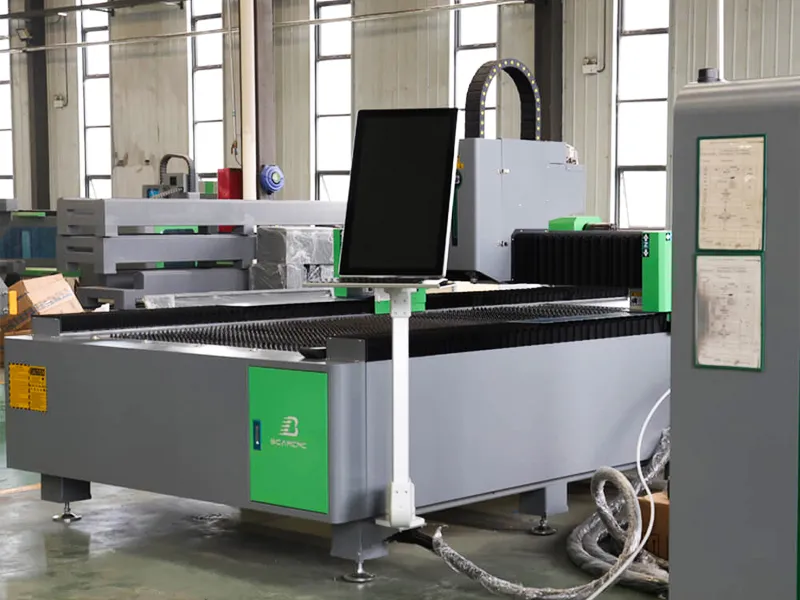
1. Clean the Laser Lenses Regularly
Contaminated lenses can scatter the laser beam and reduce cutting efficiency. Clean the lenses using approved cleaning solutions to maintain their optical performance. It’s essential to handle them carefully—scratches on the surface can increase light diffusion and further degrade cut quality.
2. Inspect and Clean the Nozzle
The nozzle plays a vital role in directing the assist gas precisely to the cutting point. Regular inspection and cleaning prevent contamination and ensure a stable gas flow. A well-maintained nozzle improves edge precision and prevents burn marks or uneven cuts.
3. Check and Adjust Laser Beam Parameters
Beam focus and alignment are critical for achieving accurate, uniform cuts. Periodically verify that the focus position matches the material thickness and cutting requirements. Following the manufacturer’s recommendations for focal adjustment ensures consistent energy concentration and optimal cutting width.
4. Lubricate Moving Components
Moving components such as guide rails, bearings, and motors should be properly lubricated to ensure smooth machine motion. Neglecting this step can lead to irregular laser movement, resulting in inconsistent edges or dimensional inaccuracies.
5. Maintain Correct Material Positioning
Incorrect material placement on the worktable can cause angular deviations and uneven cuts. Always confirm that the sheet is flat and properly aligned before starting the job. Accurate positioning helps maintain straight edges and reduces the risk of misalignment.
6. Calibrate and Diagnose the Machine Regularly
Routine calibration keeps the laser system performing at its full potential. Periodic diagnostics can identify issues such as control errors or mechanical wear before they lead to downtime. A proactive maintenance schedule helps avoid unexpected breakdowns and ensures continuous, high-quality production.
Summary
High-quality laser cutting is not only the result of advanced technology but also of disciplined maintenance and attention to detail. Regular inspection, cleaning, and calibration of key components keep the system running efficiently and guarantee precise, repeatable results.
About BCAMCNC
At BCAMCNC, we are dedicated to helping manufacturers achieve cutting excellence with advanced fiber laser machines and tailored automation solutions. Our systems are designed for durability, precision, and ease of maintenance—ensuring your production line stays efficient and cost-effective.
Whether you need a customized laser cutting setup, free test cutting, or expert advice on improving your process, our team is ready to assist.
📧 Email: admin@bcamcnc.com
📞 WhatsApp: +86 15154109683
🌐 Website: www.bcamcnc.com