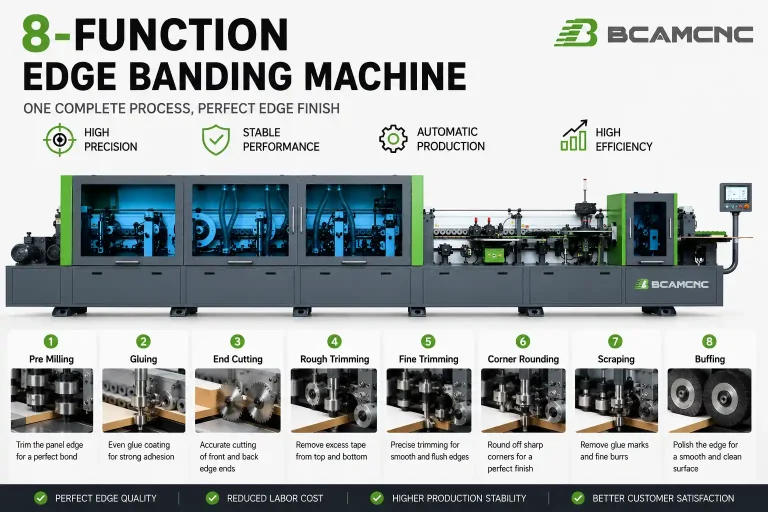

Customers who use woodworking engraving machines for engraving and processing know that processing techniques such as flat bottom, pointed bottom, contour engraving and cutting are the most common processing methods for woodworking engraving machines. However, different processing techniques and methods need to be familiar with the equipment, be able to operate skillfully, and design the engraving path in order to perform better engraving processing on the workpiece.
1, flat carving. The flat carving of the stone engraving machine basically completes the carving on the stone, which is to carve out the image and make the image recessed. Flat engraving is basically done coating paint on the surface material, basically there is no real engraving. The flat carving pattern should maintain the corresponding height and depth with the surface of the carving.
2, relief. The relief is a two-dimensional object. The image is preserved flawlessly, and the rest is removed, the image is protruding on the object. Relief is a kind of sculpture. The sculptor sculpts the image he wants to shape on a flat plate, so that it is separated from the surface of the original material. Relief is the product of the combination of sculpture and painting. It uses compression to dispose of objects, uses perspective and other factors to express three-dimensional space, and only allows one or two sides to view it. Reliefs are generally attached to another surface, so they are used more in architecture and can often be seen on utensils. Because of its compression characteristics, it occupies a small space, so it is more suitable for decoration in various environments.
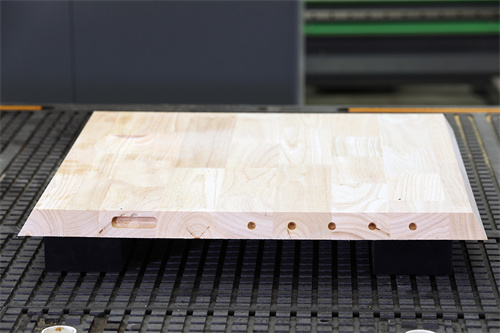
3, shadow carving. Shadow sculpture, specifically, the sculpture image is lifelike, just like photography. Shadow carving is a new technology developed and innovated based on the early “needle black and white” technology. On a bluestone plate that is only 1.5 cm thick and has been polished, various micro steel drills of different thicknesses are used to complete the carving process. Corresponding to imaging.
So in daily production applications, how to choose a better and reasonable processing method according to different processing techniques?
First of all, what we want to talk about is the choice of tools. According to different carving tool paths, choosing suitable tools can make each engraving machine do more delicate work. The round bottom carving effect of woodworking engraving machine is similar to the relief effect, and it is widely used in advertising art characters, signboards, furniture carvings, solid wood door plaques, metal molds, printing (making hot molds), blister model making and other fields. CNC woodworking engraving machine round bottom engraving is a method of generating a three-dimensional curved surface processing path by defining a cross-sectional shape, showing the effect of a round bottom, and is mainly used for the design and production of artistic forms such as text or graphics with rounded arcs.
In addition, when using a woodworking engraving machine for engraving, some parameter settings must be carried out, such as edge width, depth, width, top angle, bottom angle, etc., and then reasonable engraving can be done.
If you have any questions, you can directly consult our online customer service, we will reply to you as soon as possible, thank you for your attention and support.