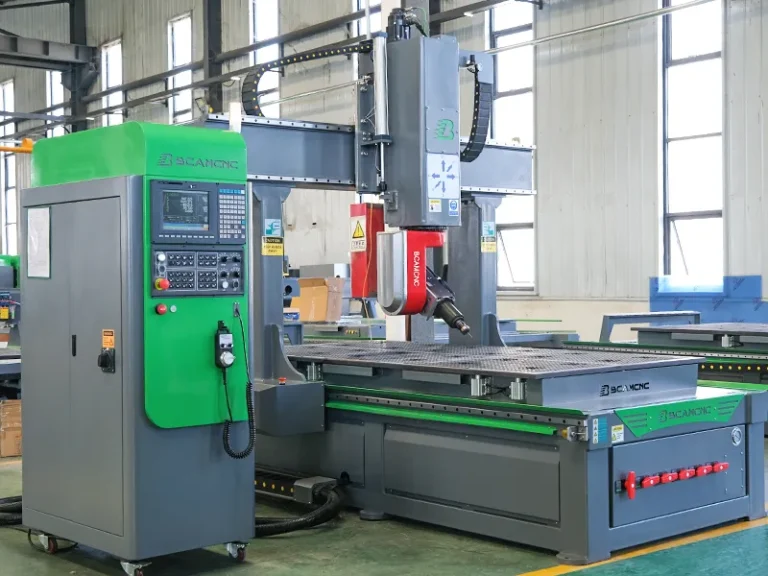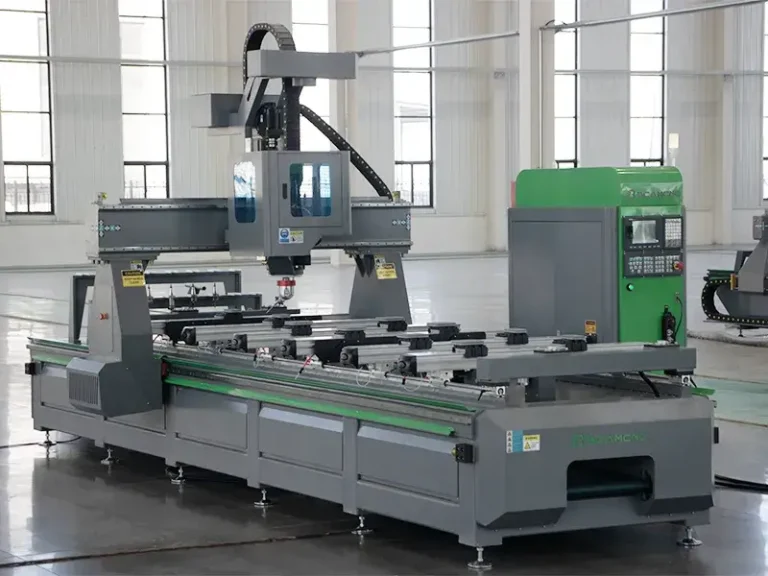

When choosing a CNC router, bed size looks like a simple spec on paper. In reality, it quietly shapes how you price jobs, handle materials, and scale production.
Two of the most common options in the market are 4×8 ft (approximately 1300×2500 mm) and 5×10 ft (approximately 1500×3000 mm). On the surface, the difference is just one extra foot in each direction. In practice, it can change your workflow more than expected.
Understanding What 4×8 Really Mean
This alignment brings a few practical advantages:
- Minimal material waste when cutting full sheets
- Easier sourcing of raw materials
- Lower machine footprint, which matters in smaller workshops
For many businesses producing cabinets, signage, or decorative panels, a 4×8 machine is enough to handle daily production without unnecessary overhead.
But “enough” depends on what you’re trying to do next, not just what you’re doing now.
Where 5×10 Starts to Make Sense
That extra space can be useful in several situations:
- Processing oversized materials without repositioning
- Nesting more parts per sheet to improve efficiency
- Reducing the need for secondary setups on long workpieces
For businesses involved in large furniture, doors, wall panels, or industrial applications, the additional capacity can translate directly into fewer steps and more consistent output.
Of course, nothing comes free. A larger machine typically requires more floor space, higher initial investment, and slightly more demanding material handling.
Efficiency vs. Practical Constraints
Choosing between 4×8 and 5×10 isn’t about which one is “better.” It’s about which one fits your operation without creating new problems.
A 4×8 machine often wins in:
- Space-limited workshops
- Businesses focused on standard sheet materials
- Lower upfront investment requirements
A 5×10 machine becomes more practical when:
- You regularly process oversized panels
- You want to reduce repositioning and manual intervention
- Your production volume justifies higher throughput
If your current jobs already require cutting beyond 8 feet, forcing that work onto a 4×8 bed usually means extra labor, alignment risks, and time loss. That tends to cancel out any savings from the smaller machine.
Thinking Beyond Today’s Orders
Here’s the part people tend to underestimate. CNC routers aren’t short-term purchases.
If your business is growing, the question isn’t just “What do I need now?” but “What will slow me down in a year?”
- If most of your orders are standard cabinetry, a 4×8 remains a practical and cost-effective choice.
- If you’re moving toward larger panels, custom furniture, or batch production, a 5×10 may help avoid bottlenecks later.
It’s less about ambition and more about avoiding unnecessary friction in your workflow.
Final Thoughts
There’s no dramatic winner here, just trade-offs wearing different hats.
A 4×8 CNC router fits businesses that value simplicity, lower cost, and compatibility with standard materials.
A 5×10 CNC router fits operations that need more flexibility, higher throughput, and fewer workarounds when dealing with larger jobs.
Pick the one that reduces compromises in your actual production, not the one that looks more impressive on a spec sheet. Because machines don’t make money by being bigger. They make money by making your work easier.