
If your CNC router’s vacuum table starts losing suction, the issue is usually not dramatic. It’s almost always something simple: leaks, clogged filters, or worn surfaces. The good news is that maintaining stable suction doesn’t require complicated fixes, just consistent habits and a basic understanding of how the system works.
Start with the Basics: Keep the System Clean
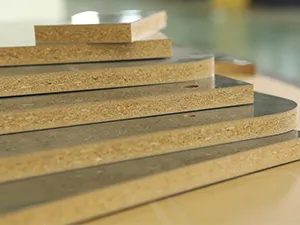
Dust is the quiet enemy here. MDF spoilboards, especially, generate fine particles that slowly clog vacuum channels and filters.
A practical routine:
- Clean the table surface at the end of each shift
- Check and empty the vacuum pump filter regularly
- Inspect pipelines for buildup every few weeks
Ignoring dust is like ignoring cholesterol. Nothing happens immediately, then suddenly everything is worse.
Check for Air Leaks First
Before assuming the pump is failing, look for leaks. Even small gaps can significantly reduce suction efficiency.
Common leak points include:
- Loose hose connections
- Worn rubber seals
- Cracks in vacuum lines
- Poorly sealed spoilboards
A quick way to test: run the system and listen. If it sounds like it’s whispering secrets to the air, you probably have a leak.
Maintain the Spoilboard Properly
The spoilboard plays a bigger role than people expect. A warped or uneven board reduces contact between the material and the table, weakening suction.
What actually helps:
- Resurface the spoilboard periodically
- Replace it when it becomes too thin or damaged
- Use the right material (MDF is common for a reason)
Flatness is not a luxury here. It’s the whole point.
Don’t Neglect the Vacuum Pump
The pump is the heart of the system, and like any mechanical component, it needs attention.
Depending on the type of pump:
- Check oil levels (for oil-lubricated pumps)
- Replace filters on schedule
- Ensure proper ventilation to prevent overheating
If the pump struggles, the entire system follows. There’s no workaround for that.
Use Zoning and Proper Workholding Strategy
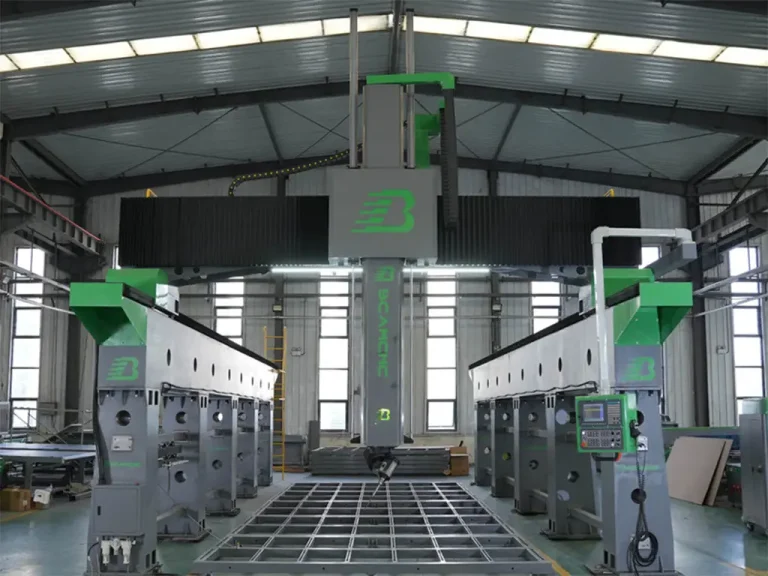
Running the full table for a small workpiece wastes suction power. Most modern CNC routers allow zoning.
Better approach:
- Activate only the zones you need
- Cover unused areas with a gasket or sheet
- Match the setup to the material size
It’s less about working harder and more about not wasting effort in the first place.
Pay Attention to Material Characteristics
Not all materials behave the same under vacuum hold-down.
For example:
- Porous materials (like MDF) leak air naturally
- Small parts reduce effective holding force
- Warped sheets reduce surface contact
In these cases, combining vacuum with mechanical clamps or tabs is often more realistic than expecting perfect suction.
Build a Simple Maintenance Routine
You don’t need a complicated checklist. Just consistency.
A reasonable schedule:
- Daily: clean surface and check obvious leaks
- Weekly: inspect filters and connections
- Monthly: check pump condition and resurface if needed
Most suction problems come from skipping these basics, not from system design flaws.
Final Thoughts
Maintaining vacuum table suction performance is less about fixing problems and more about preventing them. Cleanliness, sealing, and regular inspection go a long way.
No machine stays perfect on its own. But with a bit of attention, your CNC wood router will hold materials securely and perform as expected, without constant troubleshooting or guesswork.