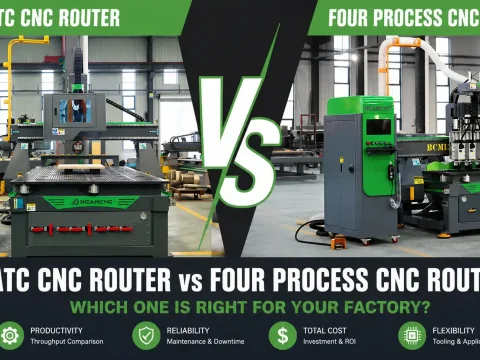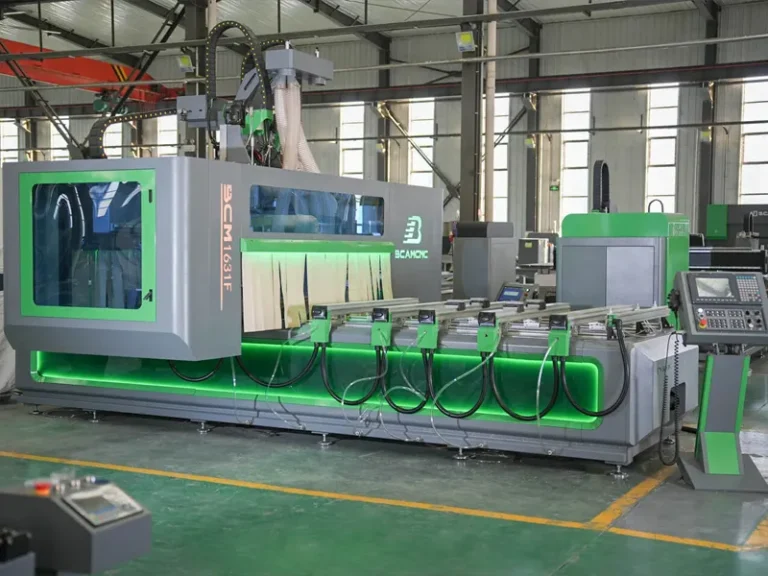

Let's take a look at the difference between the single-head cnc router and the multi-process cnc router organized by the editor. I hope it will be helpful to everyone.
1. Processing materials: All the multi-heads that can be processed by a single-head woodworking cnc router can be processed, and the processing data of the two have little change. You can say so. For example, various soft metals such as wood, acrylic, pvc two-color board, density board, artificial marble and aluminum board are still used on multi-head cnc routers.
2. Machine hardware: Some hardware accessories will have corresponding changes (these are a bit complicated and customers can study by themselves), because the processing heads are different.
3. Difficulty of operation: There is a big difference between the operating systems of the two. Of course, it does not mean that the operation of the multi-head cnc router is much more difficult, but the biggest difference lies in the software. On the contrary, although the multi-head cnc router realizes more functions, the difficulty of operation basically does not increase.
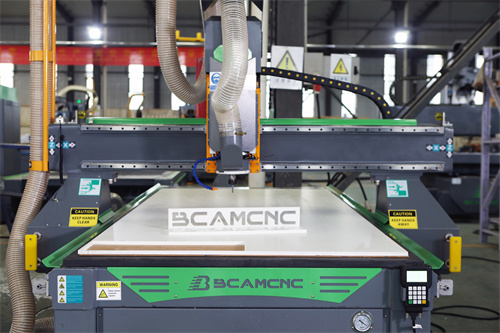
4, processing effect: The most common cnc router can accomplish is the basic functions of flat engraving and cutting. In fact, the biggest difference between single-head cnc router and multi-head cnc router is that the two can complete different engraving effects. But the multi-head cnc router can complete more patterns, such as relief and shadow carving. Of course, ordinary engraving functions can be realized by the multi-head cnc router.
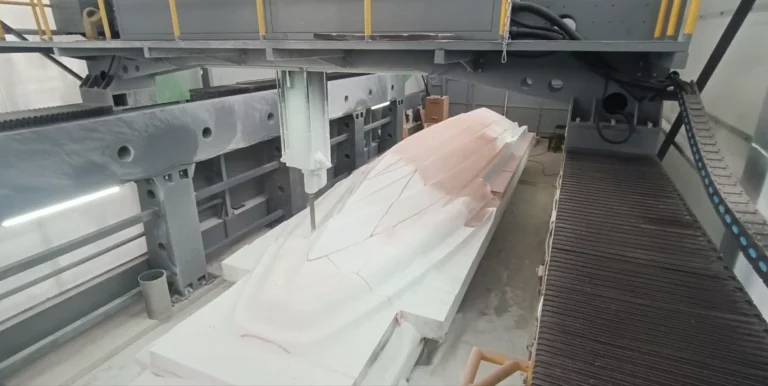
5. Scope of application: For example, the processing scope of a single-head woodworking cnc router includes various doors, windows, cabinets, and screens, but the processing scope of the two has changed a lot. Wave boards and other furniture that need to be carved or carved, and simple mold processing. These multi-head woodworking cnc routers can also be processed, but some more complex woodworking artworks and more complex and exquisite advertising industry cnc router products are not single-headed. When the cnc router is competent at this time, it must be a multi-head machine.
6. Applicable customers: Can understand whether to choose a multi-head cnc router or a single-head cnc router. In fact, it mainly depends on your increased processing needs. I believe that all customers have seen the above analysis. If you only need simple engraving or cutting for processing materials, then one cnc router on the other end is enough to meet your processing needs. If you need more complex and beautiful carving patterns for engraving materials, then a multi-process cnc router will be your best choice.
You can choose the cnc router you need according to the difference between single-head cnc router and multi-head cnc router. If you have any questions, you can directly consult our online customer service, and we will help you answer one by one.