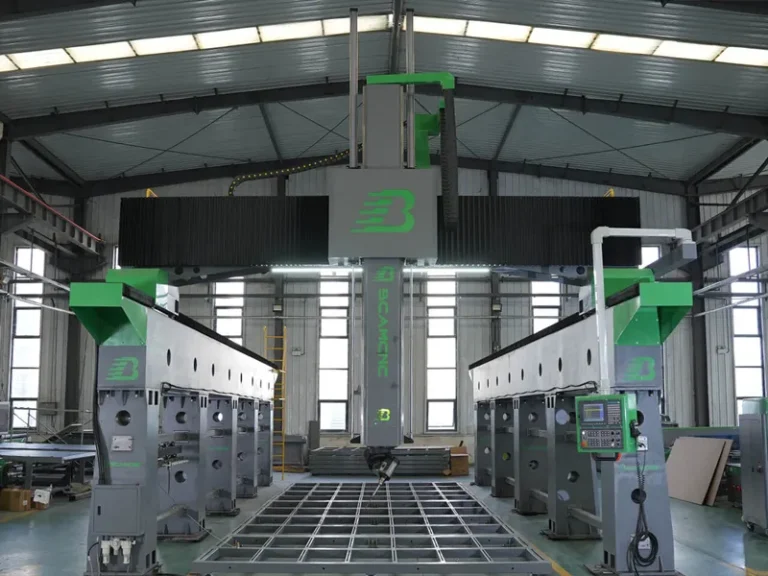

A CNC router is one of the most useful machines in modern woodworking and furniture production. It helps shops cut, engrave, and shape materials with high speed and high accuracy. Today, more and more factories choose a CNC router because it saves labor, reduces mistakes, and improves daily output.
In this guide, we explain how a CNC router works, what it can do, and how to choose the right machine for your business.
How a CNC Router Works
A CNC router uses computer control to move the cutting tool along the X, Y, and Z axes.
You design the part on CAD/CAM software. The software generates G-code, and the machine follows these commands.
A standard CNC router includes:
- A strong steel frame
- Spindle motor
- Control system
- Vacuum table or clamps
- Servo or stepper motors
Because everything is digital, the machine cuts with high precision and repeatability. Even complex shapes can be produced again and again with the same quality.
What Materials You Can Cut
A CNC router is very flexible. It can cut many types of materials:
- MDF and plywood
- Solid wood
- PVC and acrylic
- Aluminum and composite panels
- Foam and EVA
This makes the CNC router ideal for furniture factories, cabinet makers, sign shops, decoration companies, and packaging industries.
Top Benefits of Using a CNC Router
1. High Accuracy
The machine follows exact digital instructions. This reduces errors and improves product quality.
2. Faster Production
A CNC router works much faster than manual tools. Your shop can finish more orders in less time.
3. Lower Labor Cost
One operator can manage the whole process. You don’t need many skilled workers.
4. Cleaner Cuts
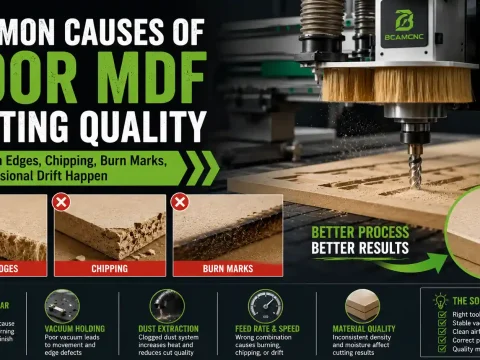
With the right spindle and bits, the machine creates smooth edges and clean details.
5. Easy to Scale
If your business grows, you only need to update the design. The machine can repeat production without extra training.
Types of CNC Routers
Standard CNC Router
Perfect for small and medium workshops. Good for MDF, plywood, and sign-making.
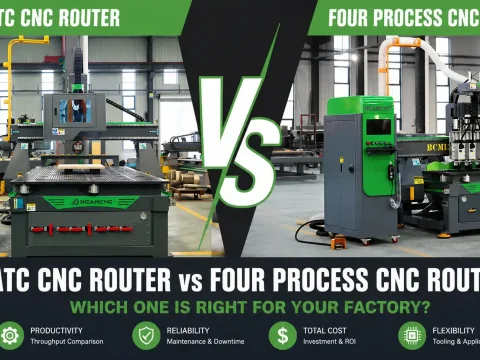
Comes with an automatic tool changer. Ideal for businesses with mixed cutting jobs and high production needs.
Used for advanced 3D work, molds, and curved surfaces.
CNC Nesting Machine
Designed for cabinet production, cutting and nesting MDF boards with speed and efficiency.
How to Choose the Right CNC Router
When choosing a CNC router, consider these points:
1. Table Size
Choose a size that matches your material. Common sizes include 1300×2500 mm and 1500×3000 mm.
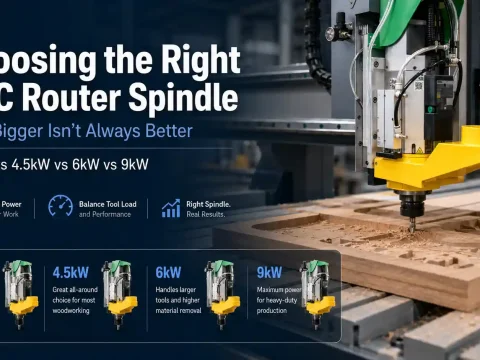
2. Spindle Power
Higher power means stronger cutting performance.
For MDF and hardwood, 6 kW to 9 kW is recommended.
3. Control System
Make sure the controller is stable and easy to use.
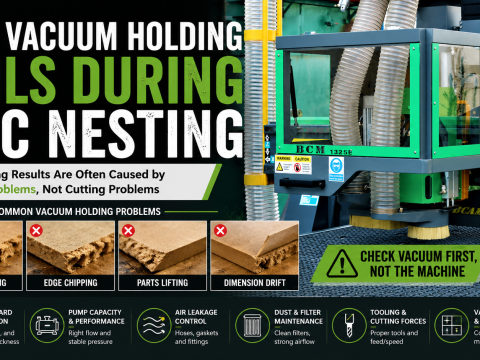
4. Vacuum Table
A strong vacuum table holds your material firmly and improves accuracy.
5. After-Sales Support
Good training, fast service, and easy-to-get spare parts are very important.
Why Choose BCAMCNC?
BCAMCNC specializes in CNC router machines for global furniture and woodworking industries.
We offer:
- Factory price
- CE-certified machines
- Fast delivery
- Local installation support (in many countries)
- 3-year warranty
- Full training and online service
Our CNC routers are built for heavy-duty production and long-term stability.
Conclusion
A CNC router is a powerful investment for any workshop that wants higher efficiency, better accuracy, and faster production. Whether you run a furniture factory, cabinet shop, or signage business, a CNC router will help you grow with confidence.
If you want machine recommendations for your budget and materials, we can help.
Contact BCAMCNC:
Email: admin@bcamcnc.com
WhatsApp: +8615154109683