
What are the advantages of automatic tool changer CNC 1325 ATC router?
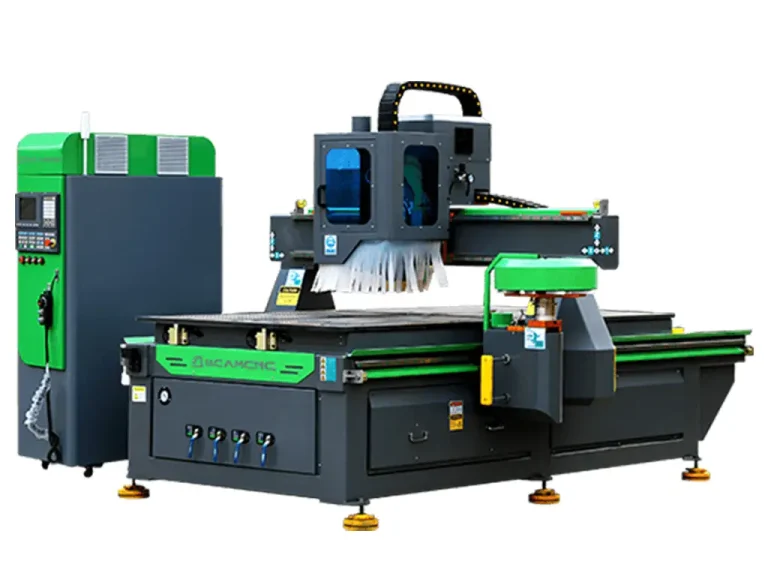
The Automatic Tool Changer CNC is a durable and reliable CNC router that can handle even the toughest jobs. The best CNC milling machine with ATC has up to 20 automatic tool change positions, making it perfect for many industries.
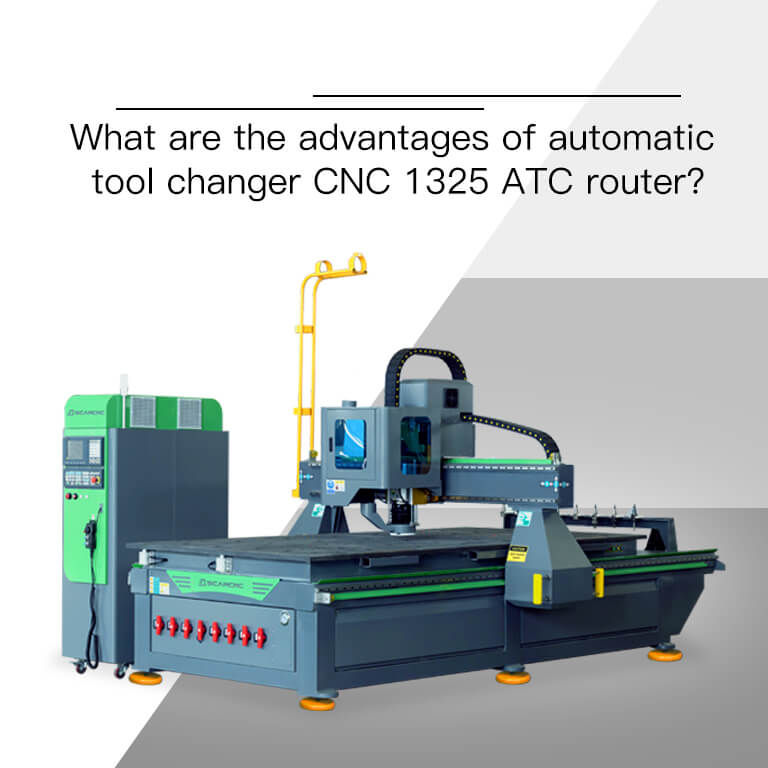
High precision 3 axis ATC CNC router is mainly used for engraving/cutting acrylic, aluminum and wood. High stranded wire weld bed with temper aging treatment. The 1325 ATC router CNC features an ATC system with multi-tools for a variety of engraving and cutting needs.
Automatic tool change CNC applicable industries and materials:
1. Furniture: wooden doors, cabinets, plates, bells, wooden furniture, tables and chairs, doors and windows.
2. Wooden products: speakers, game cabinets, computer tables, sewing machine tables, musical instruments.
3. Plate processing: insulating parts, plastic chemical composition, PCB, interior vehicles, bowling lanes, stairs, anti-beta plates, epoxy resin, ABS, PP, PE and other carbon-mixed compounds.
4. Decoration industry: engraving and milling of acrylic, PVC, MDF, artificial stone, plexiglass, plastic and soft metals such as copper and aluminum. 5×10 automatic tool changer rcnc router automatic tool changer ATC153OAU
Advantages of cnc router automatic tool change:
Automatic tool changer cnc The ability to switch a large number of tools without manual intervention reduces labor costs. Reduce downtime and total production time. Ease of processing • Improved edge finish due to more appropriate processing of each process
Automatic tool change CNC router application:
1. Timber/timber/foam/bamboo tank, etc.
2. Flat and special-shaped workpieces made of wood, MDF, plastic, soft metal, acrylic, PVC, etc.
3. Advertising industry: processing of advertising materials such as PVC, acrylic, and double-color boards.
1. Furniture: panels, office furniture, doors, cabinets.
2. Wooden products: speakers, game cabinets, computer desks, sewing machines,
3. Plate processing: insulation, plastic chemical composition, PCB, ABS, PP, PE, etc.
4. Decoration: acrylic, PVC, MDF, copper, aluminum and other plastics and soft metals.