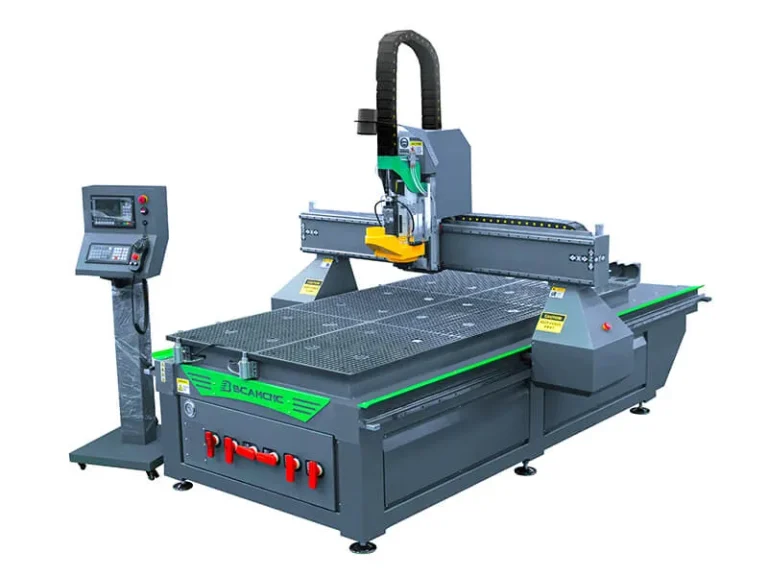

With the increase in the application of woodworking CNC routers and the expansion of the market, woodworking CNC routers have been used in various major industries such as carpenters, advertising, and mold occupations, and have played a very important role. Tell everyone about the scope and characteristics of woodworking CNC routers.
The scope of application of woodworking CNC routers
1. Carpenter profession: three-dimensional corrugated board processing, wooden doors, screens, craft fan window processing, auxiliary processing of various furniture products.
2. Advertising profession: advertising signs, logo manufacturing, acrylic cutting, blister molding, manufacturing of various materials and advertising products.
3. Mould profession: able to sculpt metal molds such as copper, aluminum and iron, as well as non-metal molds such as marble, plastic board, and wood.
4. Other professions: able to sculpt various shadow sculptures and relief sculptures, which are widely used in craft gift professions.
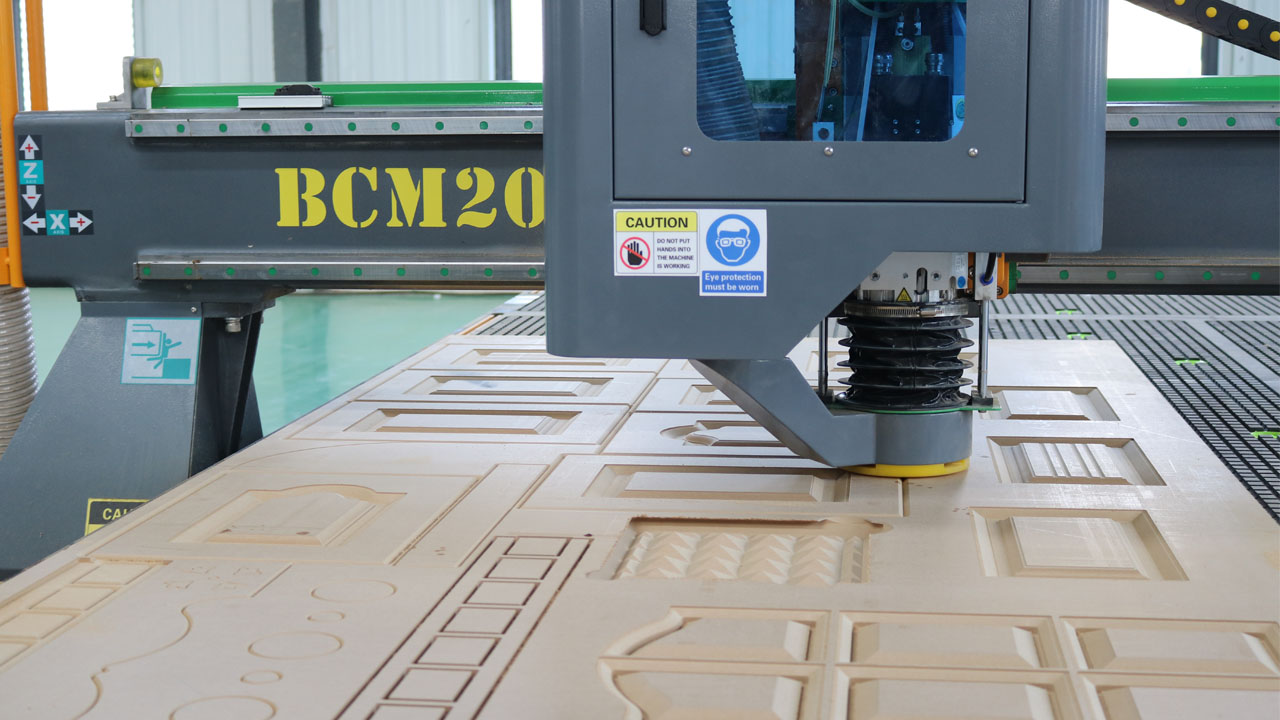
Characteristics of woodworking CNC router
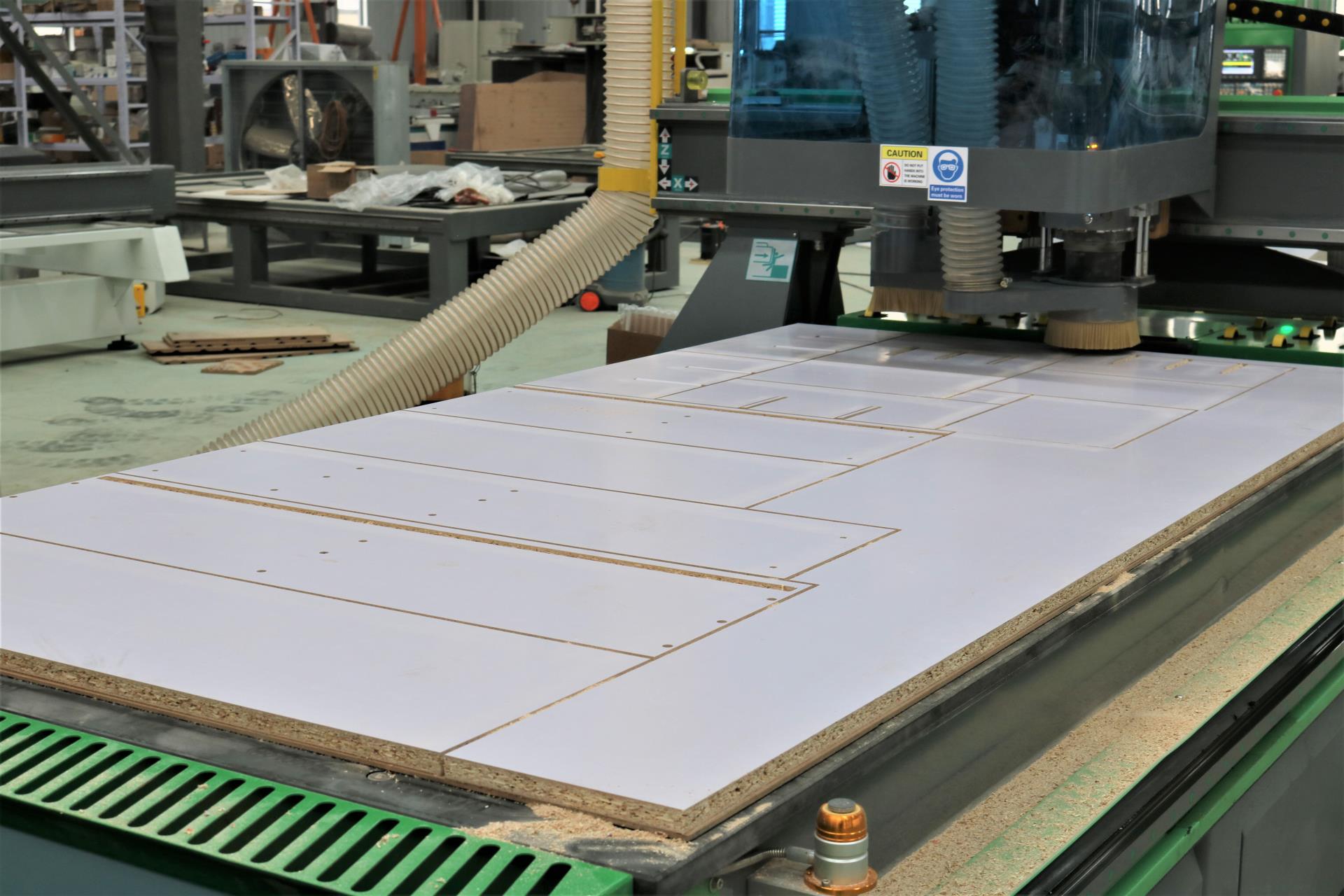
1. The CNC router manufacturer pointed out that the woodworking CNC router adopts the gantry structure, the guide rail supporting surface is stable, the rack transmission method, the transmission is stable, and the long-term high-speed operation is not deformed or shaken.
2. Woodworking CNC router equipment adopts square linear guide rails for X and Y axes, Z-axis ball screw, and Y-axis adopts dual-motor drive, with large load-bearing redundancy and long service life. Double-tooth transmission is used in the planning, which makes the operation simpler and the planning is more humane.
3. The woodworking CNC router is completely separated from the computer's USB interface DSP operating system that can be operated for long distances. The handle operation makes the operation simpler and the planning is more humane. The common intelligent budget law is selected to give full play to the potential of the motor to achieve high-speed processing. The straight line is synchronized, the curve is better, the computer memory is not occupied and the cutting spindle can be automatically started and stopped. (Optional)
4. The woodworking CNC router has good software compatibility, compatible with a variety of CAD and CAM planning and manufacturing software such as type3/Artcam/Castmate/UG/Wentai
The application of woodworking CNC router saves costs for many customers and brings higher efficiency. BCAM woodworking CNC router manufacturer has more than 10 years of production experience, and has special advantages such as dust-free vacuum system patents and active safety anti-collision systems, providing customers around the world with higher-end woodworking CNC routers. Hope that BCAM woodworking CNC router can help you. If you want to know more, we are happy to help with many years of experience!
BCAM Woodworking CNC Router Recommendation: