
About three-process woodworking cnc router,what should we know

S Series.png

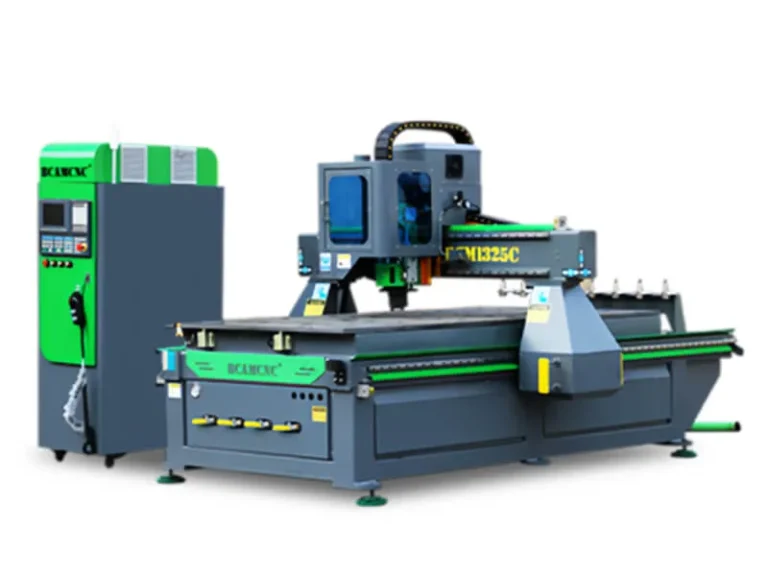
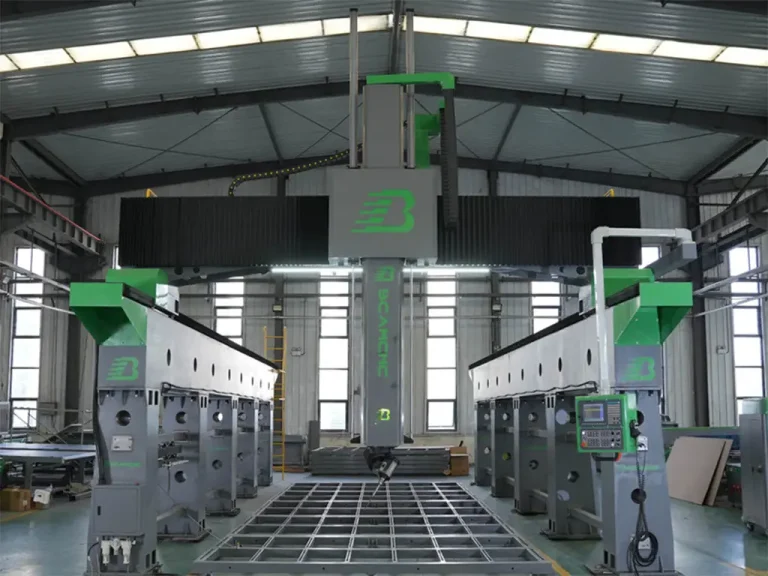
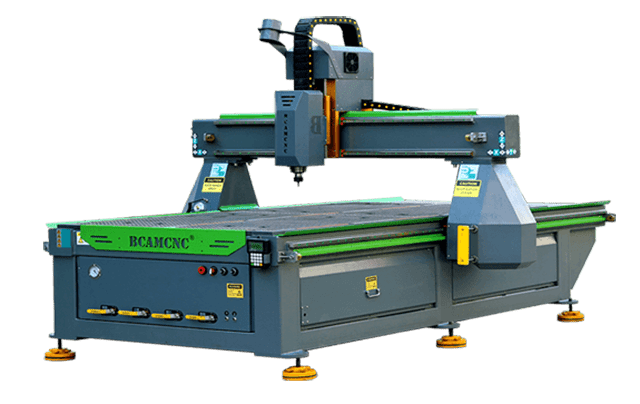
Nowadays, woodworking cnc router are more and more widely used in our lives. With the development of economy, our living standard has greatly improved, the role of woodworking cnc router is becoming more and more obvious, especially in some wood, plastic, granite, marble, bluestone, sandstone and other stone carvings. Woodworking cnc router is the most common in carving industry. So, about three-process woodworking cnc router, what should we know?

The three-process woodworking cnc router is mainly used for various wood, acrylic, PVC, resin and other materials. It can engrave characters, patterns, characters on the materials, and can also cut, hollow, etc., which can make it more beautiful and valuable. Woodworking cnc router can be applied to the wood industry, advertising signs, furniture manufacturing, toy gift manufacturing, etc.

The three-process woodworking cnc router can engrave various high-precision products, the smallest can engrave to 1mm of English letters or numbers, 2mm of Chinese characters, high engraving accuracy, smooth engraving without burrs.
Share This Article With Others

Further Reading

bcamcnc-cabinet-production-line-bosnia-project

Why European Cabinet Factories Are Moving From Standalone Machines to Full Production Lines

Most cabinet factories do not lose efficiency on the CNC router itself. They lose it between processes. This European cabinet production project built with BCAMCNC equipment shows why more manufacturers are moving from standalone woodworking machines to coordinated production lines. From six-sided drilling and curved edge banding to membrane pressing and automated material handling, the real challenge is no longer cutting speed — it is production rhythm, process stability, and reducing hidden labor costs caused by rework, material confusion, and workflow interruption.
BCAMCNC_Humanoid_Robot_Banner

5 Axis CNC Solutions for Humanoid Robot Component Manufacturing

As humanoid robot development moves from concept design to physical production, manufacturers face growing demand for multi-material machining, rapid prototyping, and complex curved component processing. This article explores how BCAMCNC 5 axis CNC routers are used for machining robot arm shells, torso covers, joint mounting structures, foam prototypes, engineering plastics, composite molds, and lightweight aluminum components in modern humanoid robot manufacturing workflows.
korean-auto-parts-supplier-composite-mold-inspection

Why a Korean Hyundai Auto Parts Supplier Switched Composite Mold Machining to a BCAMCNC 5 Axis CNC Router

A South Korean Hyundai Tier-1 supplier replaced part of its aging machining workflow with a BCAMCNC 5 axis CNC router after recurring problems with polishing workload, process instability, and unpredictable maintenance downtime started affecting mold production. This case study examines the real factory-floor issues behind the decision — including composite dust contamination, tool engagement consistency, fixture vibration, and downstream rework costs — and explains why production stability mattered more than spindle speed or brand reputation.
bcamcnc-hiteco-factory-5-axis-spindle-cooperation

Why BCAMCNC Standardized Hiteco Spindles on Its 5 Axis CNC Routers

This article explores the real spindle stability challenges behind industrial 5-axis machining, and how BCAMCNC worked closely with Hiteco’s engineering team in Italy to improve thermal behavior, vibration consistency, and unattended production reliability.

Post Your Review

Leave a Reply