
Understanding Edge Banding
Edge banding is the process of applying a protective and decorative strip to the exposed edges of wood panels. Whether you work with MDF, plywood, or solid wood, edge banding improves durability, enhances aesthetics, and prevents moisture damage.
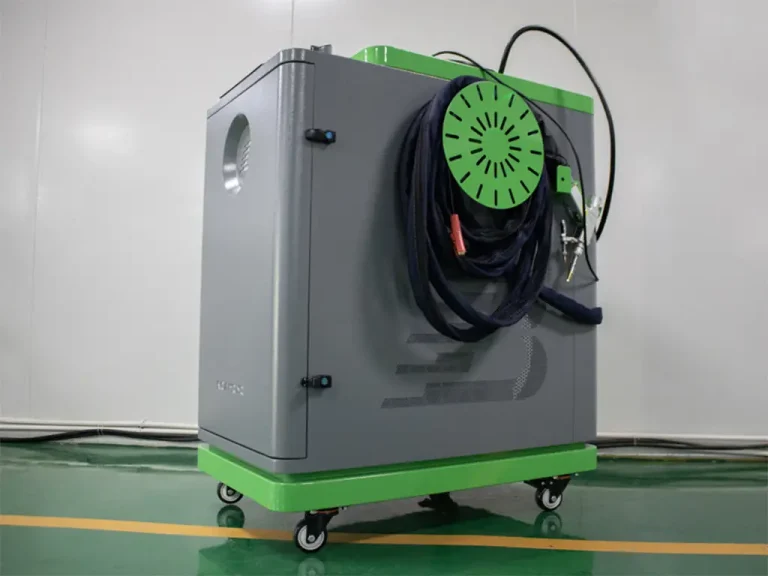
Modern edge banding machines, like those from BCAMCNC, provide automation and consistency, making the process faster and reducing manual errors.
Edge Banding for MDF
MDF (Medium-Density Fiberboard) is widely used in furniture and cabinetry. Its smooth surface makes it ideal for edge banding, but special attention is needed:
- Temperature control: Too high heat can cause glue bleeding.
- Precision cutting: Ensure edges are perfectly aligned for a clean finish.
- Consistent pressure: BCAMCNC’s MDF edge banding machines deliver uniform pressure, resulting in seamless edges every time.
MDF panels benefit greatly from automated edge banding machines, as they reduce waste and save labor.
Edge Banding for Plywood
Plywood edges can be tricky due to layered construction. Edge banding requires machines that can adapt to slight thickness variations:
- Flexible feed systems: Maintain smooth application on uneven edges.
- Accurate trimming: Prevents gaps or rough edges after banding.
- Speed and efficiency: BCAMCNC’s machines handle high volumes without compromising quality.
Plywood manufacturers and furniture makers often rely on advanced edge banders to maintain consistent quality across multiple batches.
Edge Banding for Solid Wood
Solid wood has unique challenges compared to engineered boards:
- Natural grain and texture: Machines must avoid crushing or damaging the wood.
- Variable thickness: Edge banders like BCAMCNC models adjust automatically to uneven edges.
- Durable bonding: Proper heat and pressure ensure the band adheres even on hard woods.
With the right machine, edge banding solid wood becomes as efficient and precise as working with MDF or plywood.
Why Choose BCAMCNC Edge Banding Machines
- Versatility: Handles MDF, plywood, and solid wood effortlessly.
- Precision: Ensures perfect edge alignment and trimming.
- Automation: Reduces manual labor and increases production speed.
- Durability: Built for long-term reliability in busy workshops.
BCAMCNC’s edge banders are designed to meet the demands of modern woodworking businesses, providing consistent results across all materials.
Tips for Optimal Edge Banding
1.Always test settings on scrap material before full production.
2.Regularly clean the glue application system to avoid residue buildup.
3.Maintain blades and rollers for smooth operation.
4.Use the recommended adhesive for your specific wood type.
Following these practices ensures that your edge banded panels look professional and last longer.
Conclusion
From MDF to solid wood, choosing the right edge banding solution is crucial for quality and efficiency. With BCAMCNC edge banding machines, you can achieve perfect edges on all types of wood, streamline your workflow, and deliver superior furniture and cabinetry products.