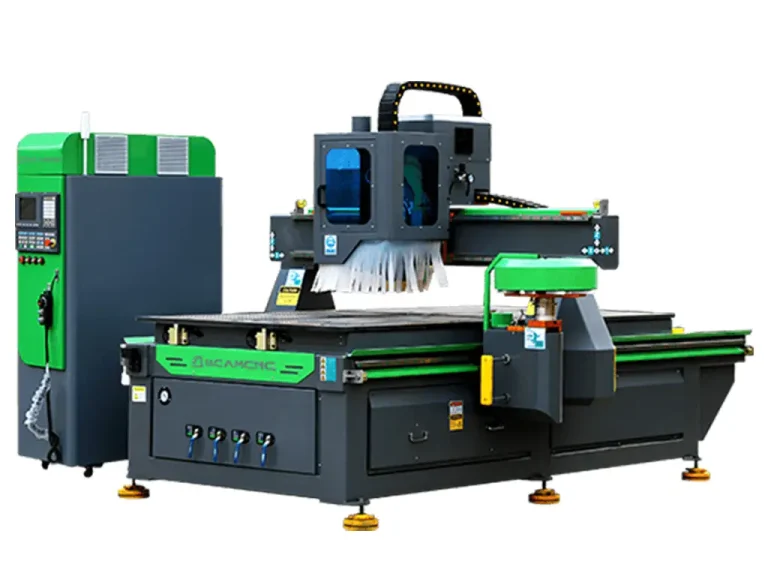

When processing products with our own numerical control equipment, in order to ensure the production accuracy of the processed workpiece, it is necessary to correct the position and origin of the tool. This is a very waste of time, energy and testing of operating skills.
There is no numerical control equipment installed with the tool setting instrument. The specific value of each tool is after cutting the product, and then manually setting the tool, and this kind of carelessness will invalidate the workpiece. When the tool is changed again, the job must be re-operated. So this work is the one that takes the longest time.
After installing the tool setting instrument, it not only saves time, but also greatly improves the production efficiency, and directly establishes the workpiece coordinate system automatically.
So what should be paid attention to when installing and using the tool setting instrument?
一: Precautions for the installation of the tool setter
1. The contact surface of the tool and the tool setter must be kept vertical, and the tool must be in contact with the contact surface vertically downwards. When installing, avoid installing it in a place with a lot of iron filings on the workbench to avoid affecting accuracy.
2. Within the rated voltage range, the use voltage is controlled at DC 10-30V, the current is below 20A, and the temperature range of the working environment is between -25°C and 70°C. The best use effect.
3. The diameter of the tool setting tool is controlled below 20mm, and the setting speed is controlled at 50-200mm/min. The center point of the tool should be the center of the upper surface of the tool.
4. When using the air blowing function of the tool setter, the outer diameter of the air pipe is 6mm, and the inner diameter is 4-5mm. When using it, you should pay attention to hygiene and clean the iron filings attached to the contact surface.
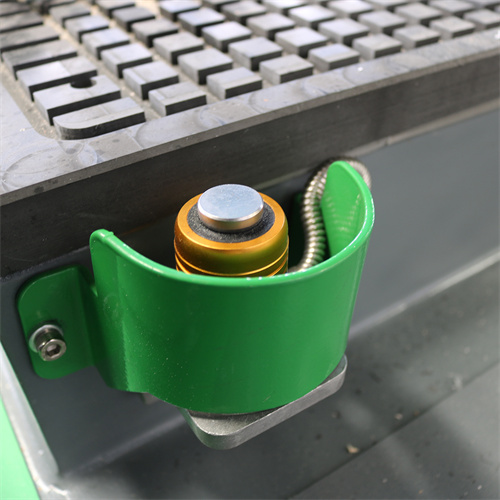
二: Precautions for the use of the tool setting instrument
1. After the tool is used, the tool must be lifted vertically away from the contact surface, and do not move laterally to avoid damage to the tool setter.
2. When the tool is in contact with the tool setter, the stroke of the tool setter cannot be exceeded, otherwise the tool will easily damage the tool setter. The general stroke is 5mm.
3. When touching the contact surface of the tool setter with your hands, do not release it immediately, so as not to damage the internal structure of the tool setter and affect the efficiency and life of the tool.
4. There are two main ways to connect the tool setting instrument. Please connect in different ways when wiring.
If you want to know anything about the product, you can directly consult our online customer service to answer you.