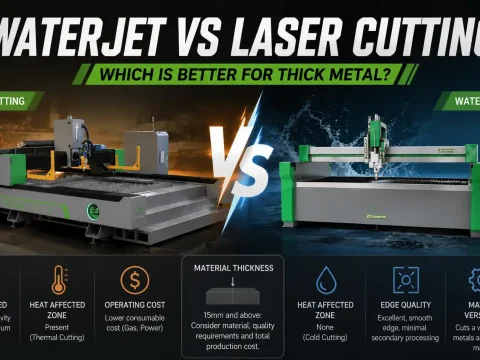

Metal is perhaps the most common material that is cut with a laser. A certain type of metal is used at the beginning or end of manufacturing processes in hundreds of industries around the world.
Finding a process that can cut metal efficiently, reduce costs, and only maintain the highest level of safety seems to be a daunting task. The invention of laser can be traced back to the 1960s, and later developed into a fiber laser commonly used today, which is more and more sought after by people.
In the following article, we delve into the method of cutting metal with a laser, study specific examples and applications, and which laser is best for this task.
Types of laser
Three types of cutting processes can be used to cut metals with a laser-gas, crystal and fiber. Use carbon dioxide or nitrogen mixture for gas cutting, and use Nd: YAG (neodymium doped yttrium aluminum garnet) and Nd: YVO (neodymium doped yttrium orthovanadate) crystals for crystal cutting. These two processes are much longer than fiber laser cutting, and their history can be traced back to the 1960s, while fiber laser is a relatively new process.
Which type of laser should you use to cut metal?
In short, each of these three cutting processes can be used to cut metals, although gas lasers sometimes perform slightly inadequate. Crystal lasers are very suitable for cutting metals, but this process is usually only used when high power is required, and can be used for very thick metals. Crystal laser machines are expensive and require expensive pump diodes. Therefore, if you need to replace parts, this may seriously affect your bank balance. The service life of crystal lasers is shorter than other types of lasers, about 8,000 to 15,000 hours.
In the past period of time, gas laser machines have made great progress and are now better at cutting metal. This is the most common laser cutting process and is cheaper than crystal lasers.
Advantages of Fiber laser
However, compared with the fiber laser cutting process, the latter has more advantages when cutting metal. Regardless of whether it is thick or thin, the cutting speed of the fiber laser will be faster.
In addition, when using gas lasers, the risk of damaging metal raw materials is higher. If the gas is not completely pure, the metal may be oxidized and appear yellow. In addition, the gas laser cutting machine cannot cut the reflective metal well, because the beam will be reflected back on the metal surface, thereby damaging the parts of the laser cutting machine, while the fiber laser does not have this problem.
In addition, the operating cost of fiber lasers is much cheaper, with a service life of about 100,000 hours, requires very little maintenance, and only requires cheap replacement parts.
The survey of enterprises and manufacturing plants shows that more people prefer fiber laser cutting in the choice of gas laser cutting machine and fiber laser cutting machine.
Although gas lasers are more suitable for heavier metal plates, fiber lasers are generally faster and consume less energy, can be used with reflective metals, and the maintenance interval is extended by 50%, and the maintenance cost is only half of the original.
Some examples of laser cutting
Cutting reflective metal
As mentioned above, some lasers will have trouble cutting reflective metal due to tempering damage. In this case, the laser beam will be reflected back to the laser beam delivery optics (BDO) itself. Reflective metals are metals such as gold, silver, and copper.
Cutting steel
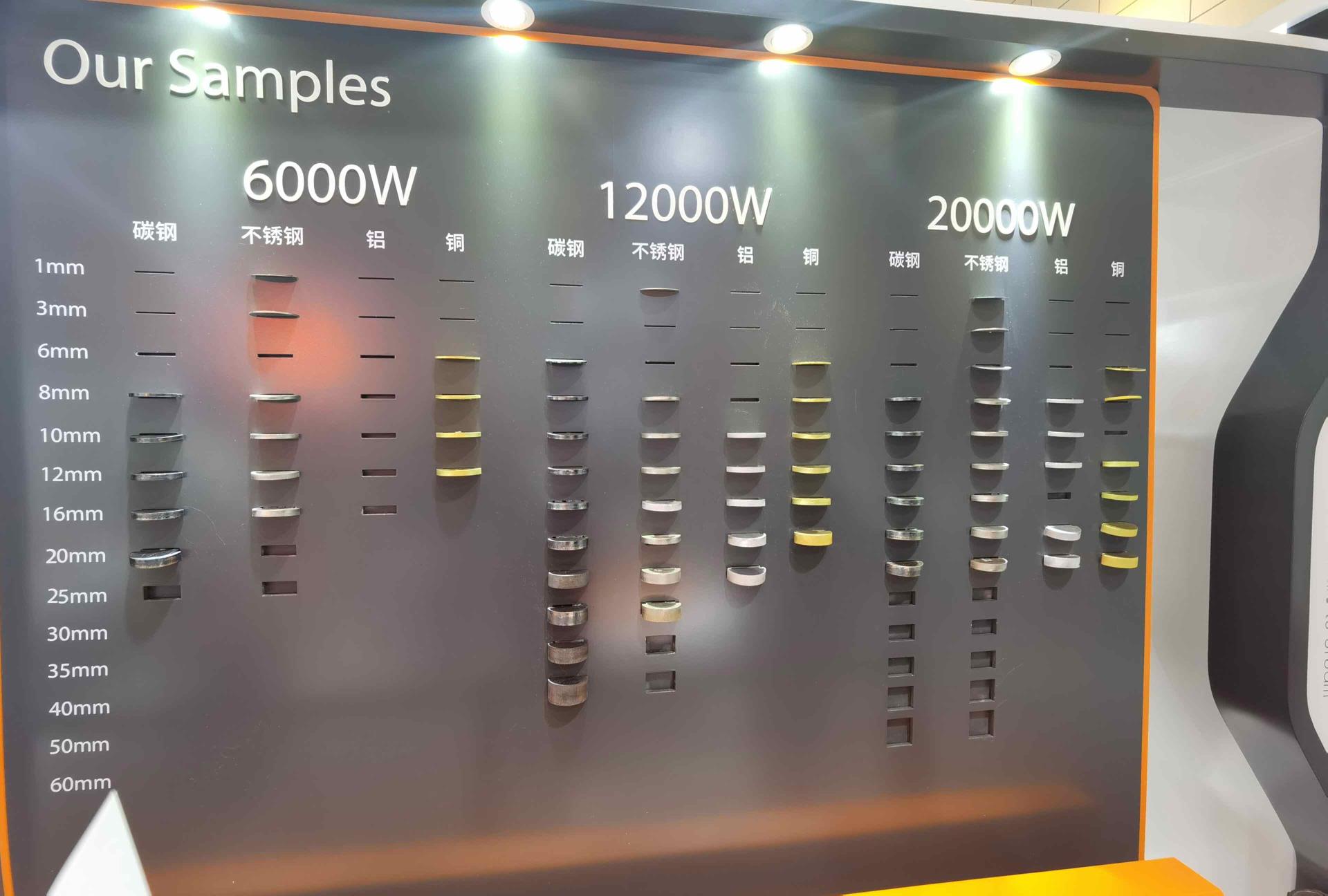
Steel is one of the most common metals used in industries around the world, and therefore one of the most critical metals in the manufacturing process.Whether it is thick steel or thin steel, fiber lasers can work without problems. These machines have high power and can cut through steel very quickly.
Cutting copper
Cutting aluminum foil
Cut silver
Silver is an extremely widely used metal that can be found in industrial and commercial environments, such as jewelry, electronics or energy equipment.
Although this article focuses on cutting metals, the fiber laser process can handle almost unlimited amounts of material.
Laser cutting has many advantages and has been widely used in many industries around the world, including semiconductor, electronics and medical industries. BCAM has more than 10 years of Laser cutting machine for metal production experience.
Factors that affect laser cutting machine for metal price
There are many factors that affect Laser cutting machine price such as machine cost, freight, service fees, etc.
1. Core components Laser generator or laser tube
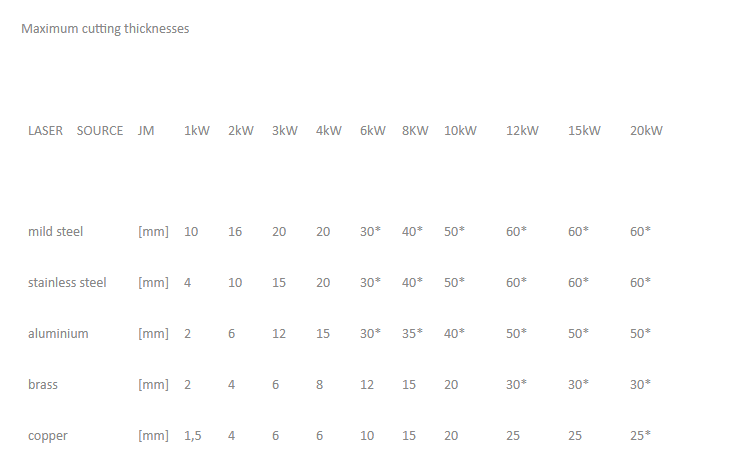
Laser generator or laser tube is the core part of a laser cutter. The laser generators or tubes of different brands and quality have different prices. The service life of high-quality laser tubes can reach 10,000 hours. In addition, the power of the laser generator is also one important factor that affects the laser cutting machine cost. The greater the power, the higher the laser generator price. The greater the cutting speed and the thickness of the cutting material, the higher the laser cutter cost. The high cost of the laser generator accounts for a large part of the laser cutting machine price.
2. Core components Motor
Motor relates to the precision of a laser cutting machine. The cost of a famous brand motor differs from that of a common brand motor and the precision of the laser cutting is also different. High-precision laser cutting machine price is greater than that of a low precision laser cutter.
3. Core components Optical lenses
The laser beam emitted by the laser generator needs to be refracted and focused by optical lenses. Especially CO2 laser cutting machine requires multiple complicated optical lenses. There is a big difference in the price of lenses, and also in effectiveness and service life. High-quality lenses causes extra cost to the laser cutting machine price.
4. Machine frame
Some laser cutting machine manufacturers use thin iron sheets to make machine housing in order to save cost. But after being used for a period of time, the thin iron housing will deform, which could seriously affect the cutting accuracy of the laser cutting machine. A good laser cutting machine should adopt a frame structure welded with high-quality steel, and the housing made of high-quality cold-rolled steel plate. This will also increase the laser cutting machine price.
Except for the factors related to the CNC laser cutter itselft, the laser cutting machine for metal price also contain brand,after-sales service,shipping fee and so on.
Fiber laser cutting machine for metal recommendation
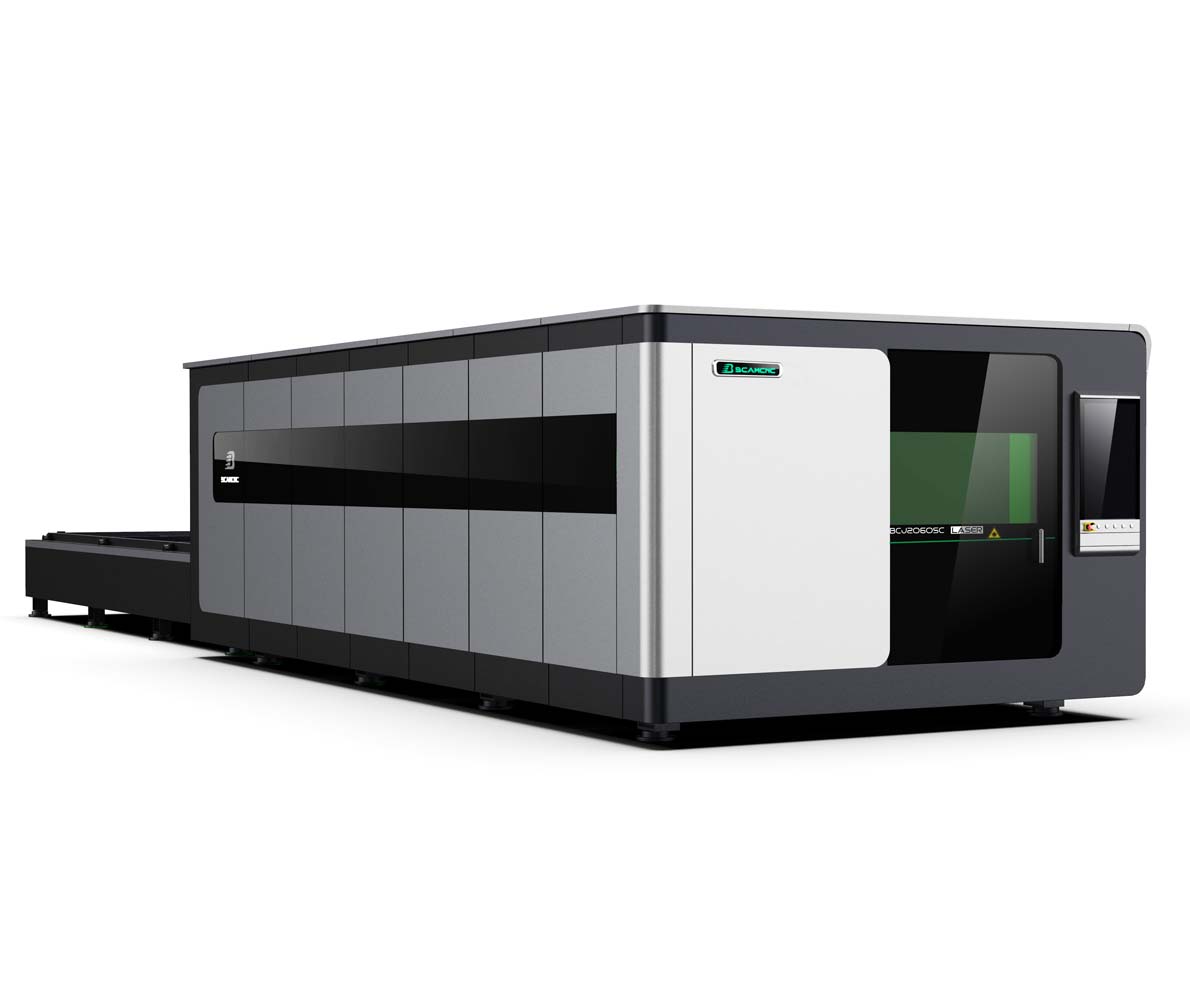
Fiber Laser cutting for metal Parameters