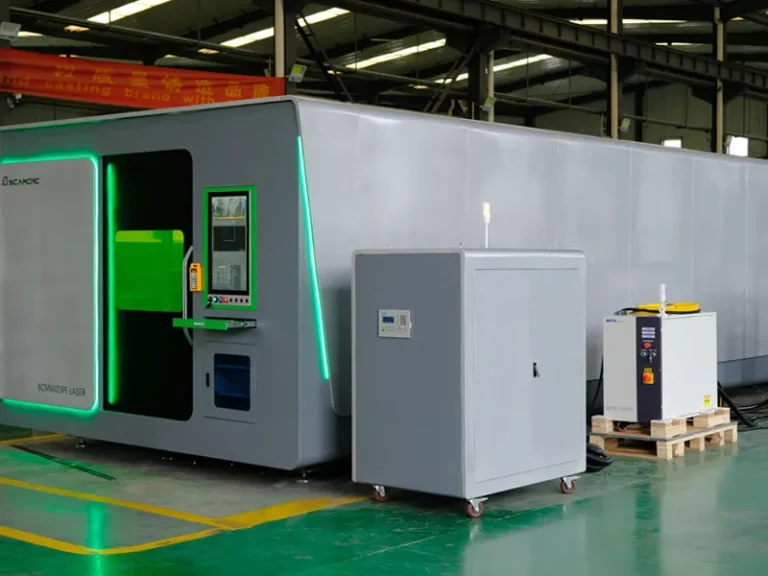

Fiber laser dust is an unavoidable byproduct of metal cutting, but with proper control measures, its impact on cutting quality, equipment lifespan, and workshop safety can be significantly reduced. In this article, we will discuss practical dust control solutions and best practices that help maintain a clean and efficient environment in fiber laser cutting workshops.
For operators using a BCAMCNC fiber laser cutting machine, implementing these strategies ensures stable performance and a safer workplace.
1. Use Proper Ventilation and Airflow Design
Effective airflow management is the foundation of dust control.
Direct extraction near the cutting zone: Position extraction ducts as close to the cutting table as possible.
Balanced workshop pressure: Maintain slightly negative pressure to prevent dust from escaping into other areas.
Regular inspection of ducts and vents: Ensure there are no blockages that reduce airflow.
Proper ventilation reduces airborne particles, preventing them from settling on machine components or spreading throughout the workshop.
2. Install Industrial Dust Collectors
Dust collectors are critical for medium-to-large workshops, especially where high-volume cutting occurs.
Benefits:
Removes most airborne dust and smoke before it spreads
Protects optical components and mechanical parts of the laser machine
Reduces maintenance frequency and prolongs component life
Tip: Choose a dust collector with the correct airflow and filter type to match your cutting volume. Many workshops using BCAMCNC fiber laser systems integrate modular dust collectors to optimize performance.
3. Air Filtration and HEPA Systems
For sub-micron particles that may escape standard extraction, air filtration systems provide an extra layer of protection:
HEPA filters capture fine particles
Activated carbon filters help neutralize fumes
Ceiling-mounted or mobile purification units maintain clean workshop air
Regular filter replacement is essential to keep these systems effective.
4. Routine Manual Cleaning
Even with advanced extraction and filtration, manual cleaning is still important:
Wipe work surfaces and floors to remove settled dust
Clean trays, scrap bins, and support slats
Avoid touching sensitive optical parts with hands; use appropriate tools
Daily cleaning routines complement automated systems, ensuring dust does not accumulate over time.
5. Scheduled Professional Maintenance
Professional servicing adds another layer of reliability:
Inspect and clean laser heads, lenses, and mirrors
Replace filters and check airflow efficiency
Evaluate dust collector performance and make adjustments
Scheduled maintenance reduces downtime and ensures the cutting machine performs at optimal levels.
6. Employee Safety Practices
Dust management is not only about machines; operator safety is critical:
Provide personal protective equipment (PPE), such as masks or respirators
Train staff on proper cleaning procedures and safe handling of dust
Keep floors dry and clutter-free to prevent slips and accidents
A well-informed team is essential for maintaining a clean and safe workshop environment.
Conclusion
Dust control in fiber laser workshops is a combination of proper ventilation, extraction, filtration, manual cleaning, and maintenance. Following these best practices protects equipment, improves air quality, and ensures a safe workspace.
By implementing these measures with a BCAMCNC fiber laser cutting machine, workshops can achieve consistent cutting performance, reduce downtime, and maintain long-term productivity.