
BCAMCNC 5 Axis CNC Routers Empower FAW’s Automotive Mold Production

FAW Enhances Automotive Mold Production with BCAMCNC 5 Axis CNC Routers

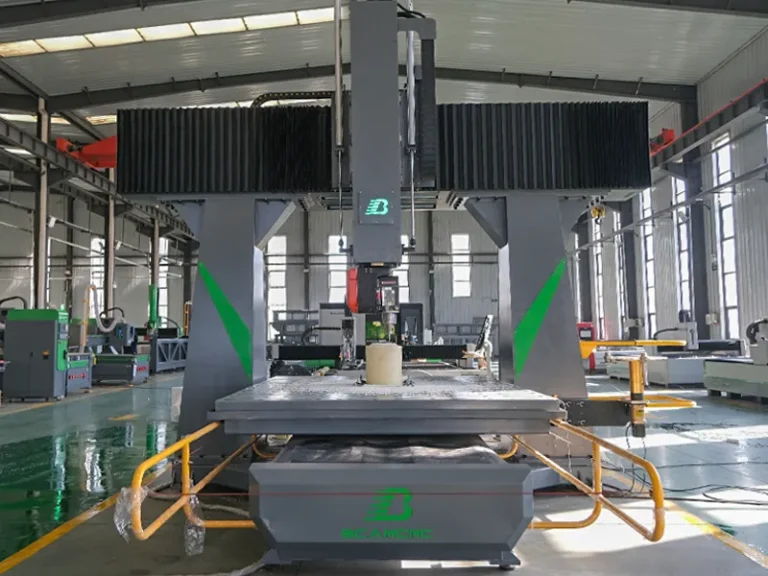
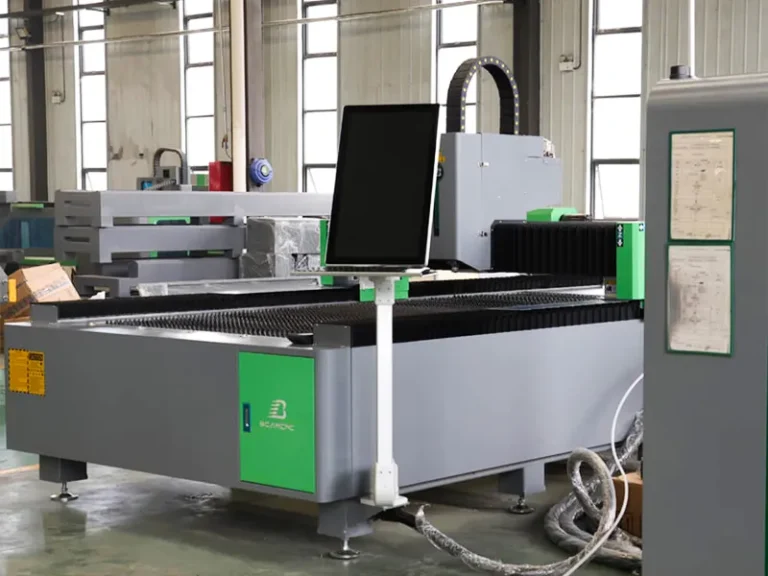
To meet the demanding requirements of modern automotive mold production, China FAW Group Corporation (FAW) has integrated BCAMCNC’s 5 Axis CNC Routers into their production line. These advanced machines enable precise shaping of complex mold surfaces, contoured panels, and intricate cavities, ensuring consistent quality and dimensional accuracy. The 5-axis capability allows FAW to efficiently process steel, aluminum, and composite materials, accommodating diverse automotive mold requirements.

The CNC routers facilitate efficient processing of complex mold geometries while maintaining high precision and surface quality, essential for producing high-performance automotive components. Optional features, such as high-speed finishing and surface smoothing, further improve mold durability and reduce post-processing time.

Founded in 1953 and headquartered in Changchun, Jilin Province, FAW is one of China’s largest state-owned automotive conglomerates. Operating renowned brands such as Hongqi, Bestune, and Jiefang, FAW is recognized for leadership in passenger vehicles, commercial trucks, and automotive innovation. The integration of advanced CNC equipment ensures FAW’s molds meet the highest standards of precision, durability, and efficiency.

By adopting BCAMCNC 5 axis CNC technology, FAW strengthens its mold manufacturing capabilities, supporting the production of vehicle body panels, interior parts, and high-precision components. Combining advanced CNC machining with FAW’s engineering expertise enables faster prototyping, improved design verification, and superior final product quality.

This collaboration highlights BCAMCNC’s commitment to providing cutting-edge CNC solutions for the automotive industry. For FAW, these machines establish a foundation for continued innovation, high-precision mold production, and enhanced manufacturing efficiency. BCAMCNC looks forward to supporting FAW in producing next-generation vehicles with high-quality, precision-engineered components.

Contact us today to learn how BCAMCNC CNC solutions can elevate your automotive mold production.
Share This Article With Others

Further Reading

bcamcnc-cabinet-production-line-bosnia-project

Why European Cabinet Factories Are Moving From Standalone Machines to Full Production Lines

Most cabinet factories do not lose efficiency on the CNC router itself. They lose it between processes. This European cabinet production project built with BCAMCNC equipment shows why more manufacturers are moving from standalone woodworking machines to coordinated production lines. From six-sided drilling and curved edge banding to membrane pressing and automated material handling, the real challenge is no longer cutting speed — it is production rhythm, process stability, and reducing hidden labor costs caused by rework, material confusion, and workflow interruption.
BCAMCNC_Humanoid_Robot_Banner

5 Axis CNC Solutions for Humanoid Robot Component Manufacturing

As humanoid robot development moves from concept design to physical production, manufacturers face growing demand for multi-material machining, rapid prototyping, and complex curved component processing. This article explores how BCAMCNC 5 axis CNC routers are used for machining robot arm shells, torso covers, joint mounting structures, foam prototypes, engineering plastics, composite molds, and lightweight aluminum components in modern humanoid robot manufacturing workflows.
korean-auto-parts-supplier-composite-mold-inspection

Why a Korean Hyundai Auto Parts Supplier Switched Composite Mold Machining to a BCAMCNC 5 Axis CNC Router

A South Korean Hyundai Tier-1 supplier replaced part of its aging machining workflow with a BCAMCNC 5 axis CNC router after recurring problems with polishing workload, process instability, and unpredictable maintenance downtime started affecting mold production. This case study examines the real factory-floor issues behind the decision — including composite dust contamination, tool engagement consistency, fixture vibration, and downstream rework costs — and explains why production stability mattered more than spindle speed or brand reputation.
bcamcnc-hiteco-factory-5-axis-spindle-cooperation

Why BCAMCNC Standardized Hiteco Spindles on Its 5 Axis CNC Routers

This article explores the real spindle stability challenges behind industrial 5-axis machining, and how BCAMCNC worked closely with Hiteco’s engineering team in Italy to improve thermal behavior, vibration consistency, and unattended production reliability.

Post Your Review