
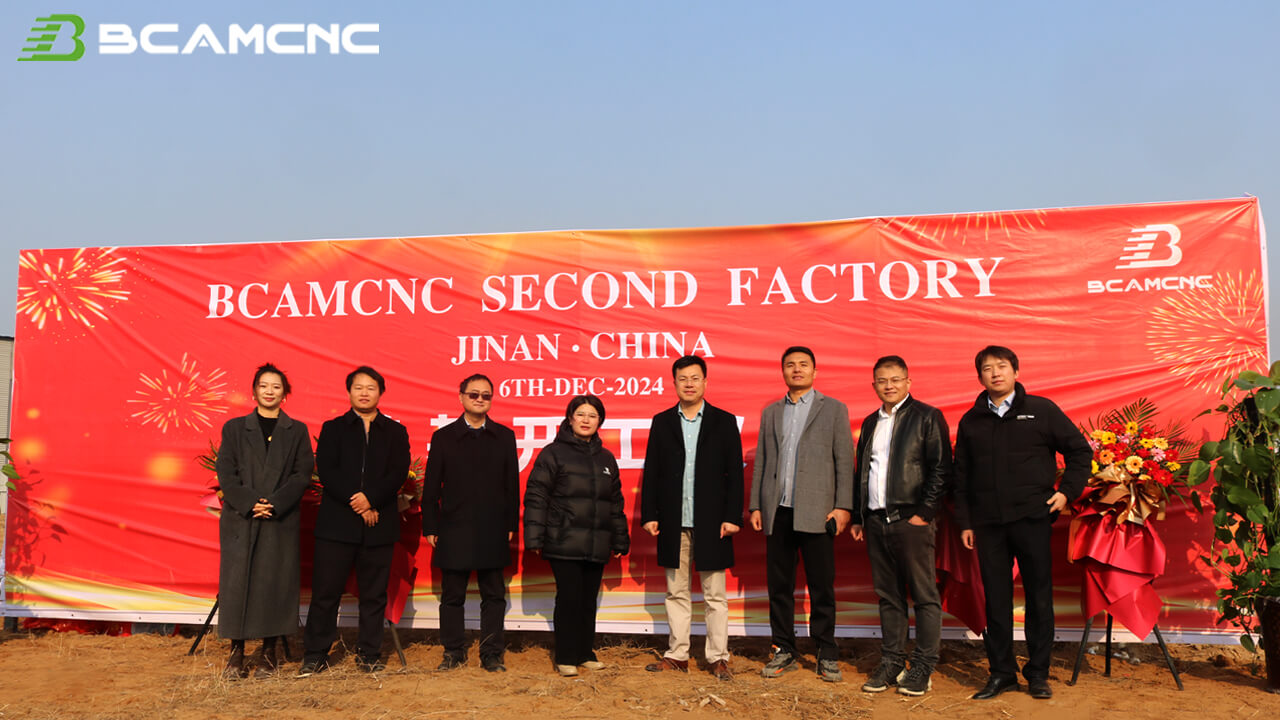
BCAMCNC Second Factory Officially Started Construction

BCAMCNC.jpg

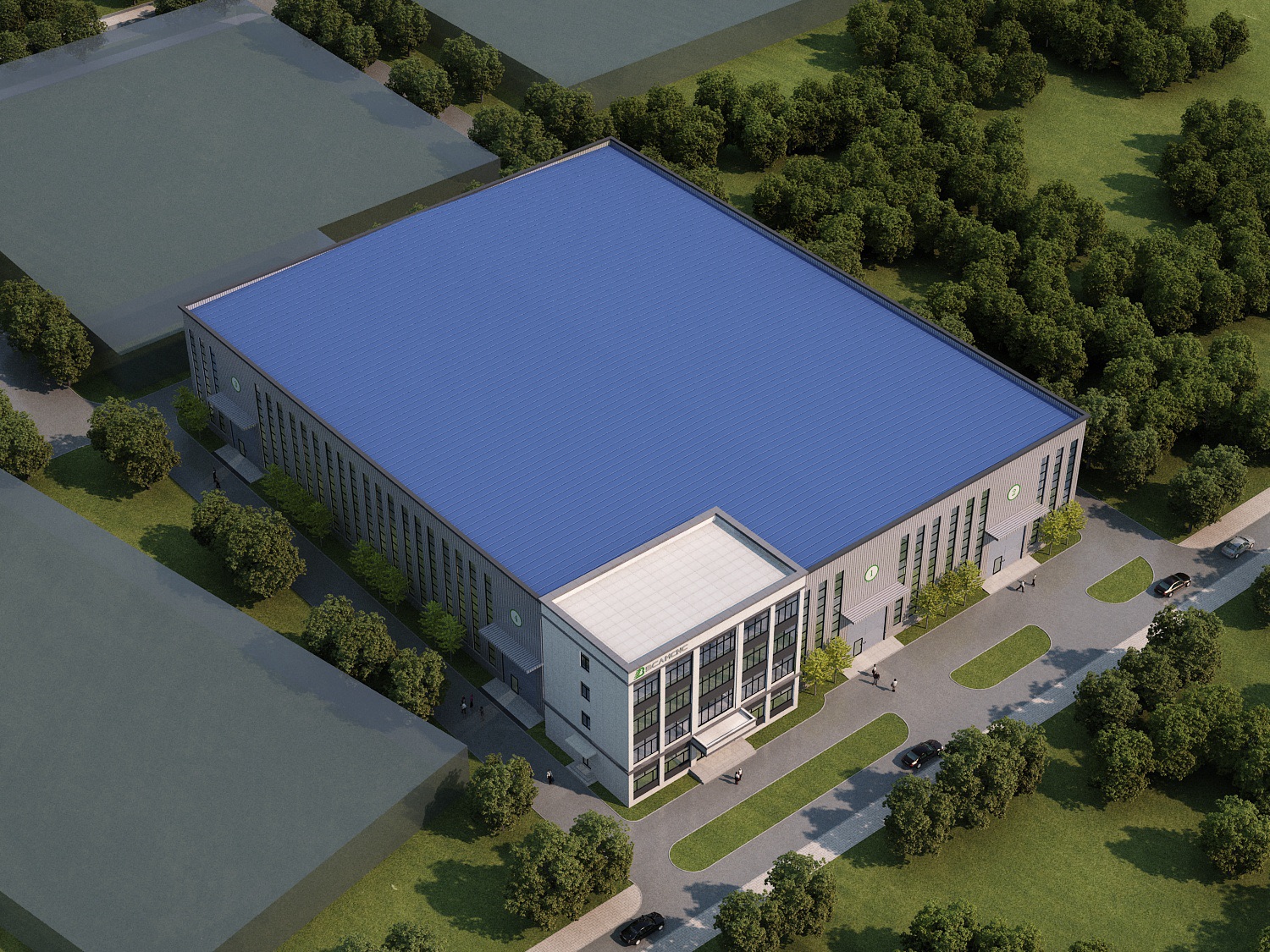
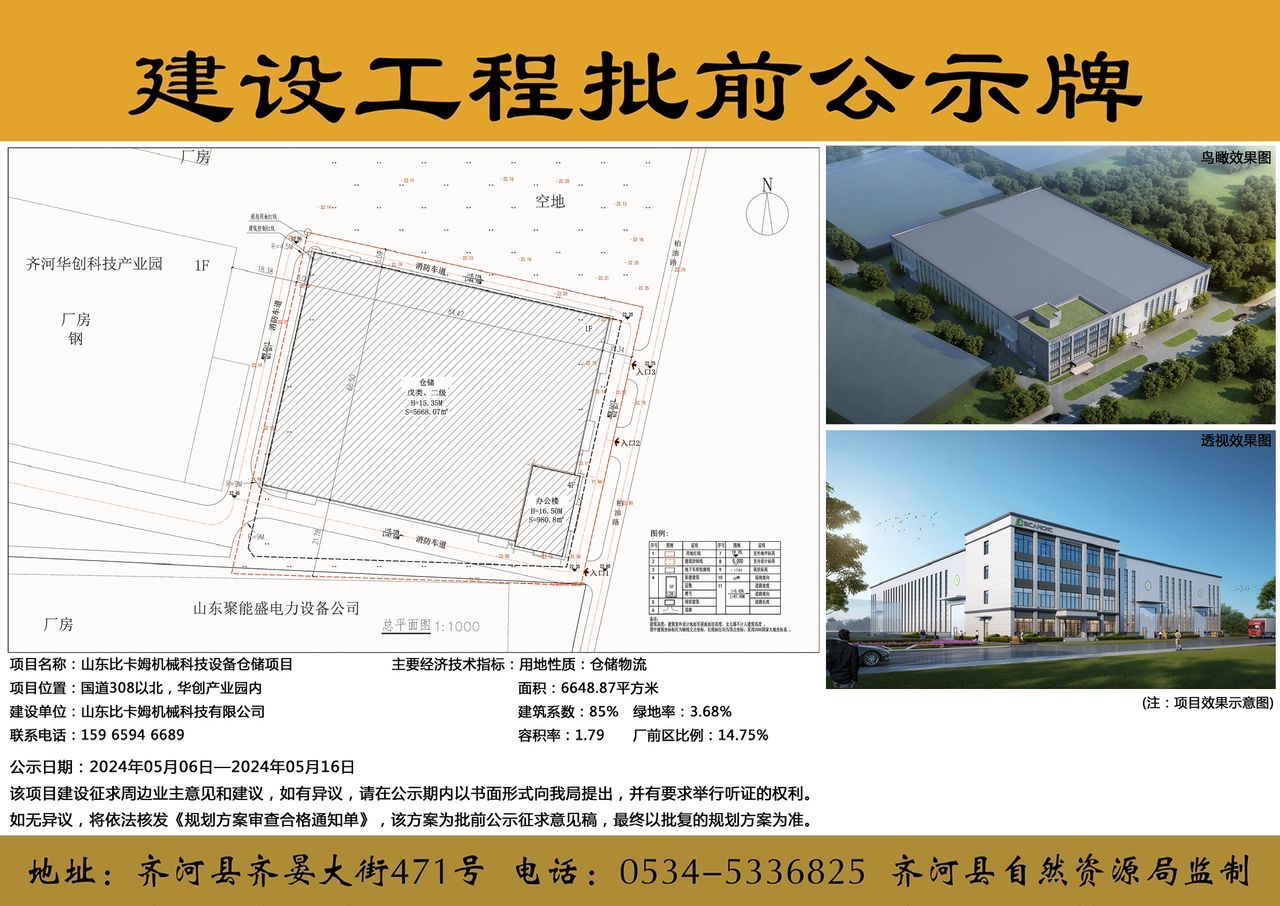
BCAMCNC factory ushered in major changes and upgrades. On December 6, the second factory officially started construction.The existing first factory covers an area of 4,200 square meters, and the new factory covers an area of 6,648 square meters, totaling 10,848 square meters. The substantial expansion of scale has injected strong impetus into the development of the company.


The factory has also achieved a qualitative leap in production capacity. Machine output has increased from 100 units per month to 260 units per month. This significant increase demonstrates the company’s dual progress in technology and management. At present, all preparatory work for the factory is basically in place and will be officially put into production in July 2025.
 

factory.jpg


BCAMCNC first and second factories will continue to strictly follow the ISO9001:2015 production quality management system for planning and construction. From raw material procurement, production process to finished product inspection, every link will be finely managed and strictly controlled. This will ensure that we can provide the market with higher quality, more stable and reliable products to meet customers’ growing needs and stringent quality requirements.


The establishment of the new factory is not only an important milestone in the company’s own development, but will also bring more high-quality products and services to the industry. Here, BCAMCNC sincerely welcomes all partners and dealers to visit and communicate, discuss development plans, and work together to create a better future.


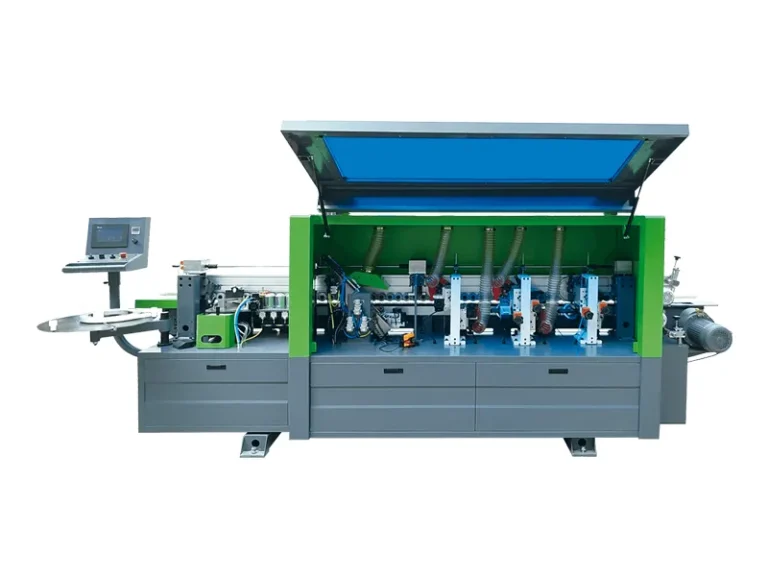
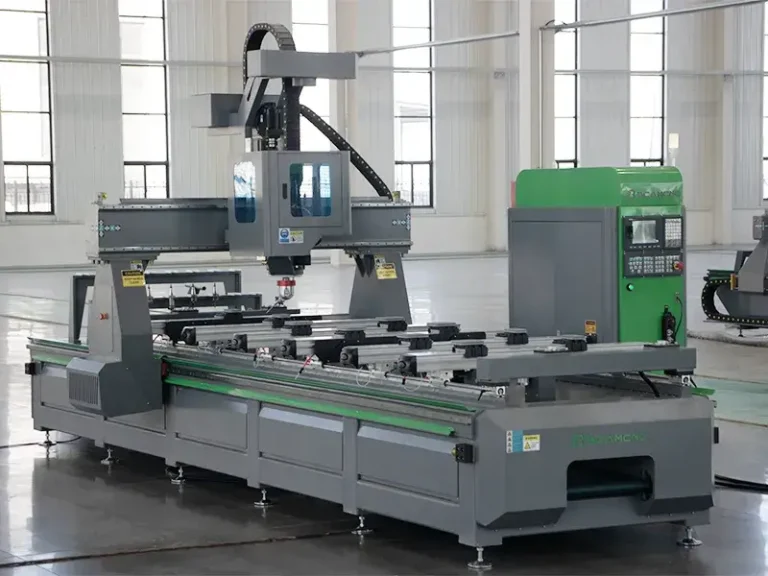
It is believed that in the new journey, the BCAMCNC factory will achieve more brilliant achievements in the fields of CNC Wood Router  Machine and Laser Cutting Machines with its advanced production lines, vast space and strong production capacity.
bcamcnc.jpg

Share This Article With Others

Further Reading

bcamcnc-cabinet-production-line-bosnia-project

Why European Cabinet Factories Are Moving From Standalone Machines to Full Production Lines

Most cabinet factories do not lose efficiency on the CNC router itself. They lose it between processes. This European cabinet production project built with BCAMCNC equipment shows why more manufacturers are moving from standalone woodworking machines to coordinated production lines. From six-sided drilling and curved edge banding to membrane pressing and automated material handling, the real challenge is no longer cutting speed — it is production rhythm, process stability, and reducing hidden labor costs caused by rework, material confusion, and workflow interruption.
BCAMCNC_Humanoid_Robot_Banner

5 Axis CNC Solutions for Humanoid Robot Component Manufacturing

As humanoid robot development moves from concept design to physical production, manufacturers face growing demand for multi-material machining, rapid prototyping, and complex curved component processing. This article explores how BCAMCNC 5 axis CNC routers are used for machining robot arm shells, torso covers, joint mounting structures, foam prototypes, engineering plastics, composite molds, and lightweight aluminum components in modern humanoid robot manufacturing workflows.
korean-auto-parts-supplier-composite-mold-inspection

Why a Korean Hyundai Auto Parts Supplier Switched Composite Mold Machining to a BCAMCNC 5 Axis CNC Router

A South Korean Hyundai Tier-1 supplier replaced part of its aging machining workflow with a BCAMCNC 5 axis CNC router after recurring problems with polishing workload, process instability, and unpredictable maintenance downtime started affecting mold production. This case study examines the real factory-floor issues behind the decision — including composite dust contamination, tool engagement consistency, fixture vibration, and downstream rework costs — and explains why production stability mattered more than spindle speed or brand reputation.
bcamcnc-hiteco-factory-5-axis-spindle-cooperation

Why BCAMCNC Standardized Hiteco Spindles on Its 5 Axis CNC Routers

This article explores the real spindle stability challenges behind industrial 5-axis machining, and how BCAMCNC worked closely with Hiteco’s engineering team in Italy to improve thermal behavior, vibration consistency, and unattended production reliability.

Post Your Review