
Composite materials are widely used in industries where lightweight structures, strength, and complex designs are required. However, machining these materials is very different from processing conventional materials.
Carbon fiber, fiberglass, and honeycomb composites combine different materials and structures to achieve high performance. During CNC machining, these characteristics can create challenges such as fiber damage, edge quality issues, tool wear, and inconsistent surface finishing.
For manufacturers working with complex composite parts, the key challenge is not only cutting the material. It is maintaining stable machining quality throughout the entire process.
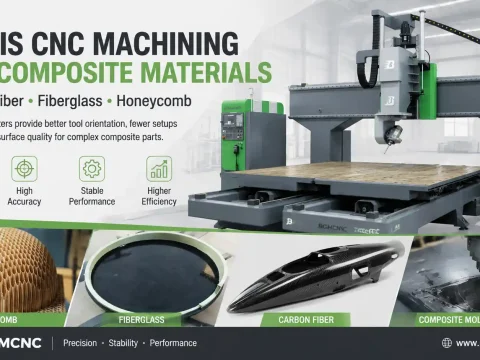
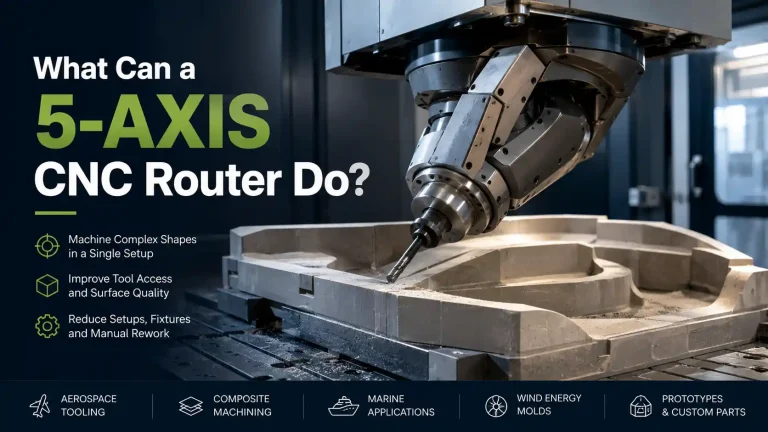
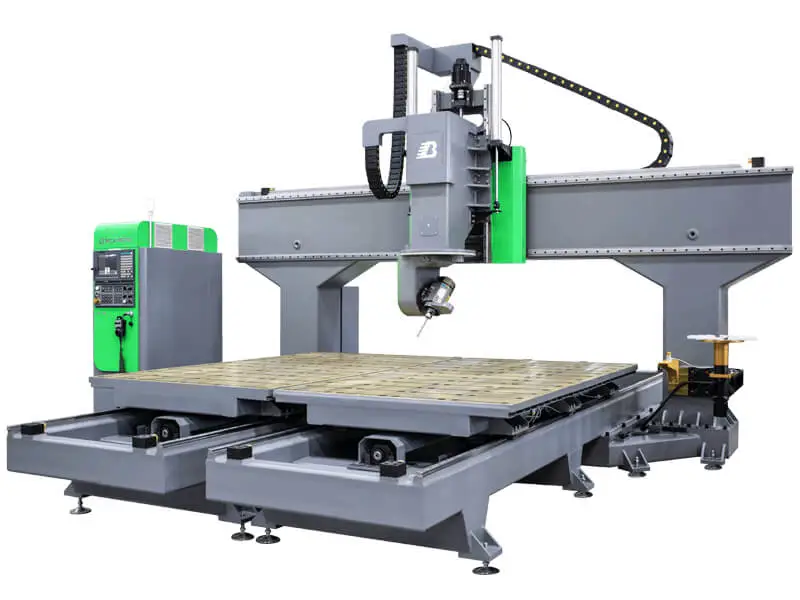
A 5 axis CNC router provides advantages for composite machining by improving tool orientation, reducing unnecessary setups, and allowing better access to complex geometries.
Why Composite Materials Are Challenging to Machine
Composite materials are designed for performance, but their internal structures make machining more demanding.
Unlike homogeneous materials, composites may contain multiple layers with different properties. Cutting performance can be affected by fiber direction, resin composition, material thickness, and part geometry.
Common machining challenges include:
Fiber Damage and Edge Quality
When cutting forces are not properly controlled, fibers may pull away from the material structure, creating rough edges or surface defects.
Tool Wear
Many composite materials are abrasive. Cutting tools gradually wear during machining, which can affect surface quality and dimensional accuracy.
Heat Generation
Excessive heat during cutting may influence the resin system and reduce machining quality. Proper tooling selection and cutting parameters are important for stable production.
Complex Part Geometry
Many composite applications involve curved surfaces, deep contours, or large three-dimensional components. These shapes require more flexible machining approaches.
Machining Carbon Fiber, Fiberglass and Honeycomb Composite Materials
Different composite materials create different machining requirements.
| Material | Main Machining Considerations | Common Applications |
|---|---|---|
| Carbon Fiber | Fiber direction, tool wear, surface quality | Aerospace components, UAV parts, automotive prototypes |
| Fiberglass | Heat control, edge finishing, resin behavior | Marine components, industrial composite parts |
| Honeycomb Composite | Different skin and core structures | Lightweight panels and specialized structures |
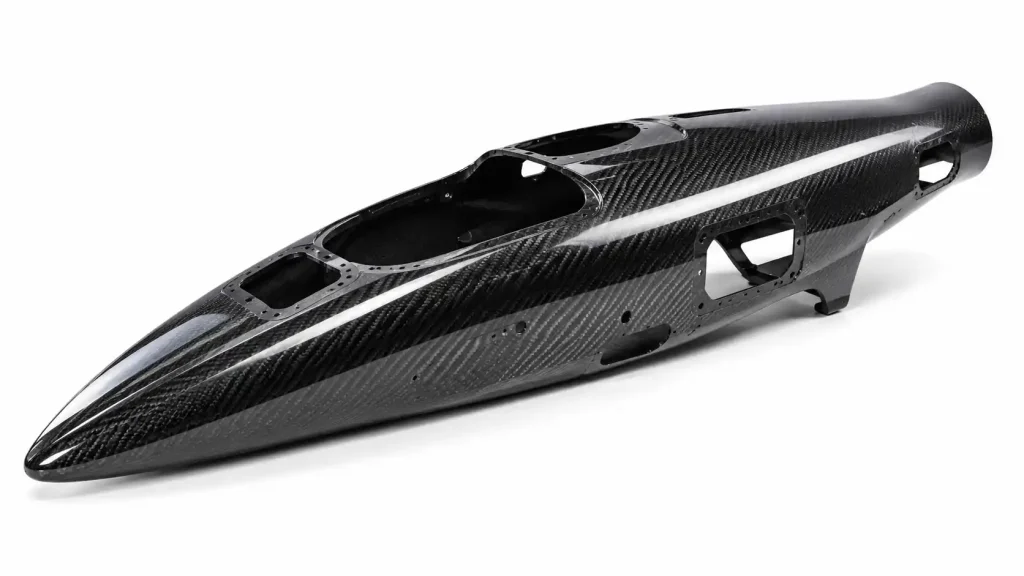
Carbon Fiber CNC Machining
Carbon fiber composites provide excellent strength-to-weight performance and are widely used in applications requiring lightweight and durable components.
The main machining challenge is maintaining clean cutting results without damaging the fiber structure.
Tool selection, cutting direction, and machining parameters all influence the final surface quality.
A worn tool can increase cutting forces and reduce edge quality, which is why regular tool condition checks are important during production.
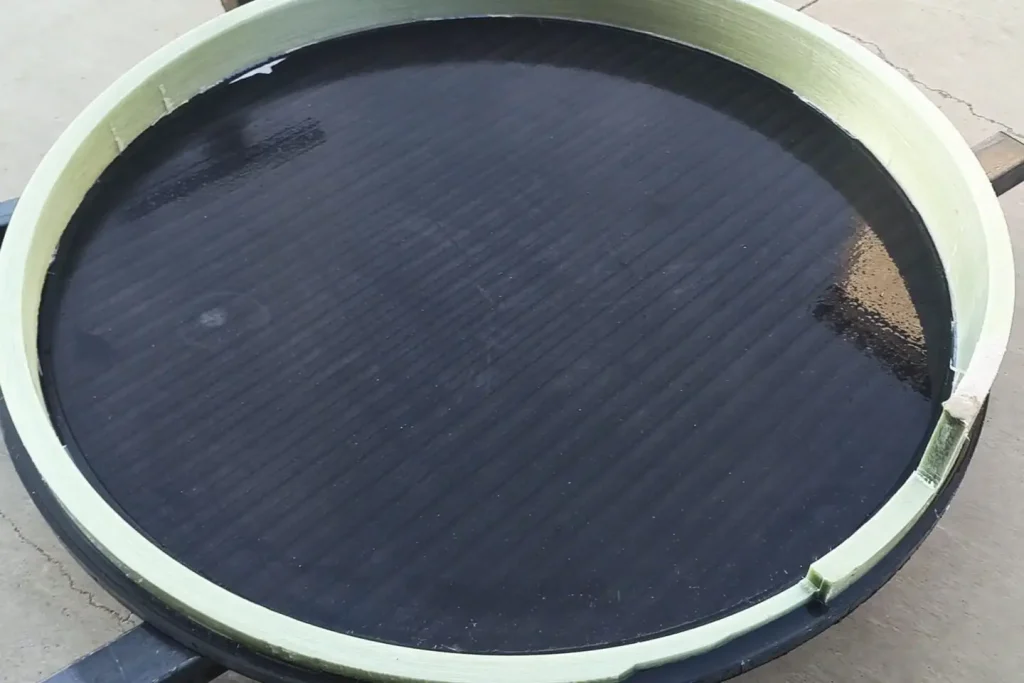
Fiberglass CNC Machining
Fiberglass composites are commonly used in marine, industrial, and prototype applications.
During machining, manufacturers need to pay attention to heat generation and edge quality.
Stable machining parameters and suitable tooling help reduce surface defects and maintain consistent results.

Honeycomb Composite Machining
Honeycomb composites are designed to provide lightweight structures with good strength performance.
Their layered construction creates unique machining challenges because the cutting tool may encounter different material characteristics between the outer skin and internal core.
Proper workholding, cutting strategy, and tool path planning are important when machining these materials.
Why 5 Axis CNC Routers Are Suitable for Complex Composite Parts
A 3 axis CNC router can handle many standard cutting applications.
However, when manufacturers process complex composite components with curved surfaces or multiple machining angles, five axis machining provides additional flexibility.
Improved Tool Orientation
In traditional three axis machining, the cutting tool direction is fixed.
For curved or complex surfaces, this can create limitations because the tool cannot always maintain an ideal cutting angle.
A 5 axis CNC router allows the tool orientation to change during machining, helping maintain better contact between the tool and the workpiece.
This is especially useful for:
- Composite molds
- Curved components
- Large prototypes
- Complex industrial parts
Reduced Setup Requirements
Complex composite parts often require multiple machining positions.
Each additional setup increases preparation time and introduces potential alignment errors.
Five axis machining allows more operations to be completed in fewer setups, helping improve production consistency.
Better Surface Finishing
For many composite applications, the machined surface affects the next production stage.
For example, composite molds or prototypes may require additional finishing after machining.
Better tool access and optimized machining paths can help reduce unnecessary finishing work.
Important Factors When Choosing a 5 Axis CNC Router for Composite Machining
Selecting a five axis CNC router requires evaluating the complete production process rather than focusing on only one specification.
Machine Structure and Stability
Composite machining, especially for large components, requires stable machine movement.
A rigid machine structure helps maintain consistent machining performance during longer production cycles.
Working Area and Part Size
The working area should match the actual production requirements.
Large composite parts may require customized working dimensions, suitable fixtures, and proper material handling solutions.
The best configuration depends on the customer’s part size, production needs, and machining process.
Tooling and CAM Strategy
The machine, software, and tooling must work together.
Composite machining performance depends on:
- Tool selection
- Cutting parameters
- Tool path strategy
- Operator experience
A suitable CAM process is essential for achieving stable results on complex parts.
Composite Machining Applications Using 5 Axis CNC Routers
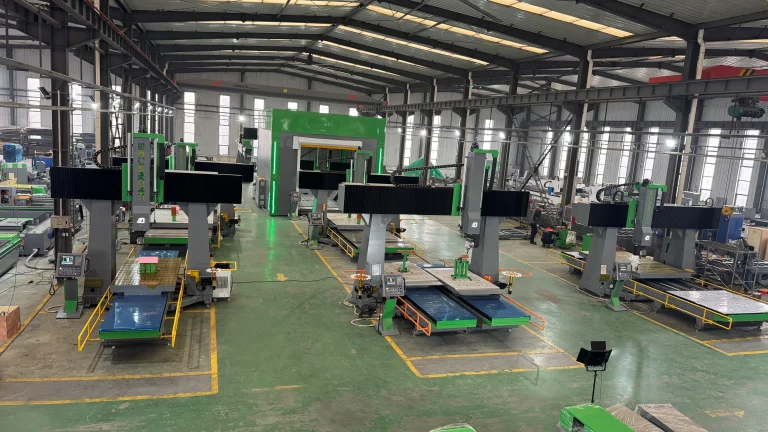
Five axis CNC routers are commonly used in applications requiring complex shapes and accurate surface processing.
Typical applications include:
Composite Molds
Large molds for boats, automotive components, and industrial prototypes often require multi-angle machining and smooth surface finishing.
UAV and Aerospace Components
Lightweight composite structures require careful machining to maintain dimensional accuracy and surface quality.
Industrial Prototypes
Prototype manufacturers often need flexible machining solutions for unique designs and small production quantities.
Large Foam and Tooling Models
Foam and tooling materials used for composite manufacturing often involve complex three-dimensional shapes suitable for five axis machining.
How BCAMCNC Supports Composite Manufacturing Applications
At BCAMCNC, we understand that composite machining requires more than adding additional machining axes.
The right solution depends on multiple factors, including material type, component size, geometry complexity, production requirements, and finishing expectations.
Our team helps customers evaluate suitable five axis CNC router configurations for applications involving carbon fiber, fiberglass, honeycomb materials, composite molds, and large-scale prototypes.
By combining appropriate machine structure, control systems, tooling strategies, and application experience, manufacturers can build a more stable composite machining process.
Frequently Asked Questions
Can a 5 Axis CNC Router Machine Carbon Fiber?
Yes, a 5 axis CNC router can be used for carbon fiber machining when the machine configuration, tooling, and machining parameters are suitable for the specific material.
Is Five Axis Machining Required for All Composite Parts?
No.
Simple flat composite panels may be processed efficiently with three axis equipment. Five axis machining becomes more valuable when parts involve complex curves, multiple angles, or three-dimensional surfaces.
What Should I Consider When Buying a 5 Axis CNC Router for Composite Materials?
Important factors include working size, machine rigidity, control system, spindle configuration, tooling compatibility, CAM capability, and after-sales technical support.
Improve Your Composite Machining Process with the Right CNC Solution
Composite materials continue to expand into industries that require lightweight and complex structures.
However, achieving stable production quality depends on choosing the right machining strategy for each material and application.
A 5 axis CNC router can provide greater flexibility for composite machining by improving tool orientation, reducing setups, and supporting complex part geometries.
If you are evaluating a CNC solution for carbon fiber, fiberglass, honeycomb composites, or composite molds, contact BCAMCNC to discuss your application requirements and find a suitable machining configuration.