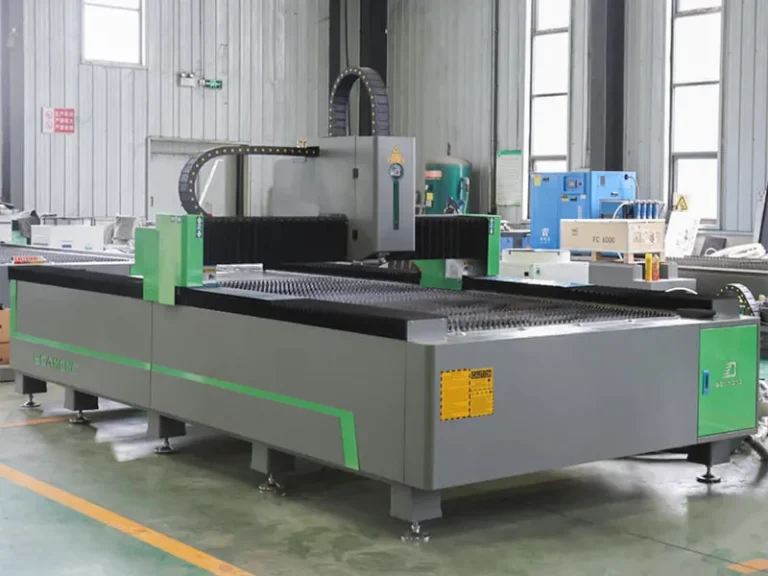

Processing accuracy is one of the most important performance indicators of any CNC router machine. Many factors work together to influence precision—machine structure, components, tools, materials, and even daily maintenance. To help users better understand, this article explains the key elements that affect accuracy based on BCAMCNC manufacturing standards.
1. Machine Bed Structure
The machine bed is the foundation of the entire CNC router.
A stable and rigid bed helps keep the machine accurate during long-term operation.
At BCAMCNC, all machine beds are processed using large CNC milling centers and go through strict stress-relief and tempering treatments. This reduces internal vibration, prevents deformation, and ensures the machine maintains high accuracy even after years of continuous work.
2. Machine Configuration
Higher configuration brings better performance and accuracy.
A CNC router equipped with servo motors, precision guide rails, rack-and-pinion systems, and ATC spindles delivers more stable movement and higher repeatability.
This is why many manufacturers choose BCAMCNC machining centers—strong power, fast speed, and excellent precision for both wood and panel furniture production.
3. Cutting Tools (Bits/Knives)
Cutting tools directly touch the material, so their quality greatly affects the final machining accuracy.
Using high-quality router bits ensures:
- Smooth cutting surface
- Less vibration
- Longer tool life
- More stable accuracy
A good machine also needs a good tool—BCAMCNC always recommends customers choose reliable, durable cutting bits for best performance.
4. Table Flatness
Even if you use a high-end CNC router and a quality tool, an uneven table will still reduce machining accuracy.
All BCAMCNC worktables are precisely milled and leveled before assembly.
A flat table ensures:
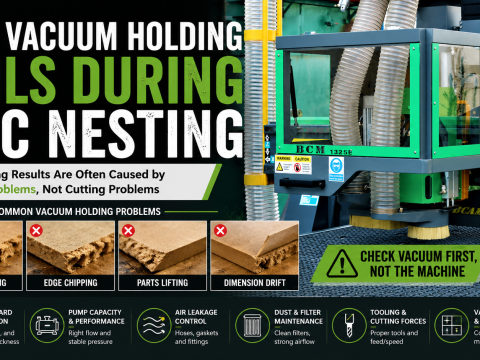
- Proper vacuum holding
- Stable cutting
- Consistent accuracy across the full machining area
This makes a clear difference, especially for cabinet panels, acrylic sheets, and aluminum materials.
5. Part Manufacturing and Assembly Quality
Every CNC router is built from many processed parts. The manufacturing accuracy of each part determines the final assembly precision.
BCAMCNC controls each production step strictly:
- Raw material inspection
- Bed processing
- Rail and rack installation
- Spindle and motor assembly
- Table design and leveling
- Full machine calibration
Only high-precision parts can produce high-precision machines.
6. Factory Calibration and User Maintenance
Before shipment, every BCAMCNC machine undergoes complete calibration and motion testing. Each axis must move smoothly and stay within the set accuracy range.
To maintain precision long-term, users should:
- Clean and lubricate regularly
- Check the vacuum system
- Keep the environment stable
- Replace tools when worn
- Follow BCAMCNC maintenance guides
Good operation habits help keep the machine accurate for many years.
Conclusion
The accuracy of a CNC router machine depends on many factors—machine structure, configuration, tools, table flatness, part quality, and proper maintenance.
With strict manufacturing standards and high-quality components, BCAMCNC ensures stable and reliable accuracy for all CNC router models. This is why BCAMCNC machines are trusted by woodworking, furniture, advertising, and industrial users worldwide.